Find a Spray Nozzle by Pattern, Application or Operating Data

The correct nozzle depends on more than its shape. Flow, pressure, droplet size, coverage, impact, fluid properties, material compatibility and installation conditions all affect spray performance.

Industrial Spray Nozzle Product Families

Start with the required spray pattern and operating purpose. Model-level flow, pressure, angle, material and connection data are available on the relevant product pages.

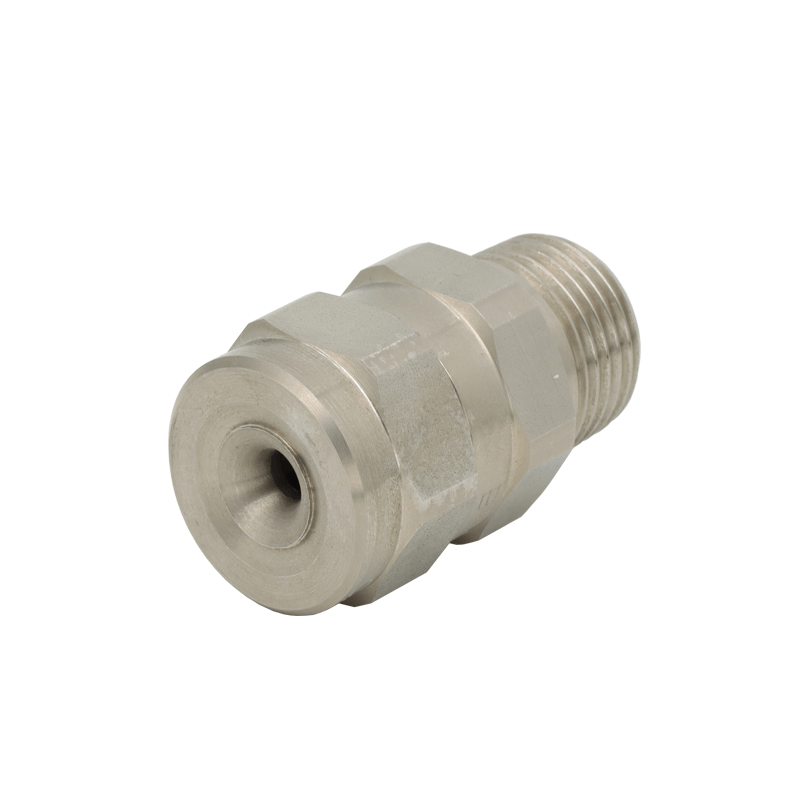
Wide Angle Full Cone Spray Nozzles

Full Cone Nozzles

Distribute liquid across a filled circular area for cooling, washing, dust control and gas treatment.

View Full Cone Nozzles
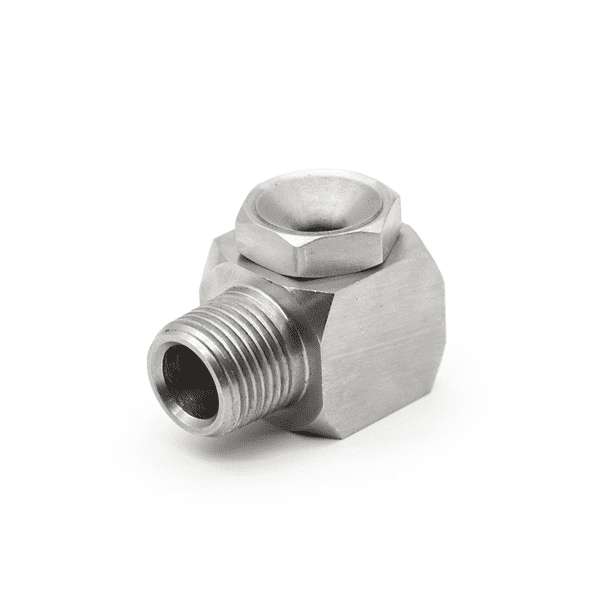
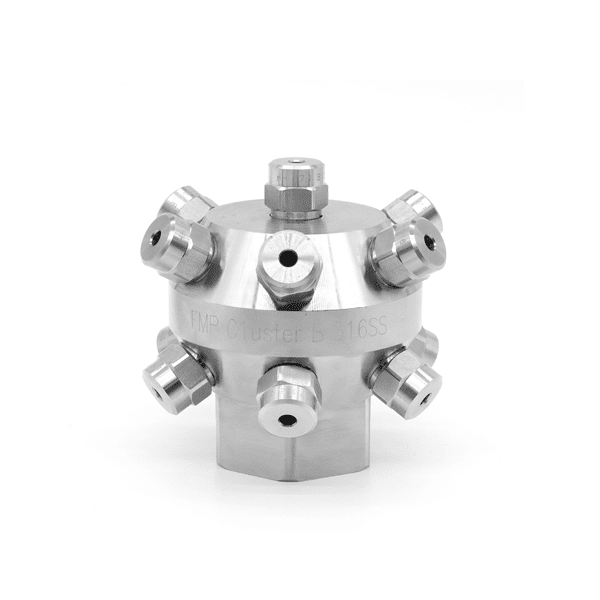
Flat Fan Spray Nozzles 3

Flat Fan Nozzles

Produce defined fan-shaped coverage and impact for cleaning, coating, rinsing and surface treatment.

View Flat Fan Nozzles
Hollow Cone Nozzles

Hollow Cone Nozzles

Form a ring-shaped spray for applications involving atomization, heat transfer or gas–liquid contact.

View Hollow Cone Nozzles
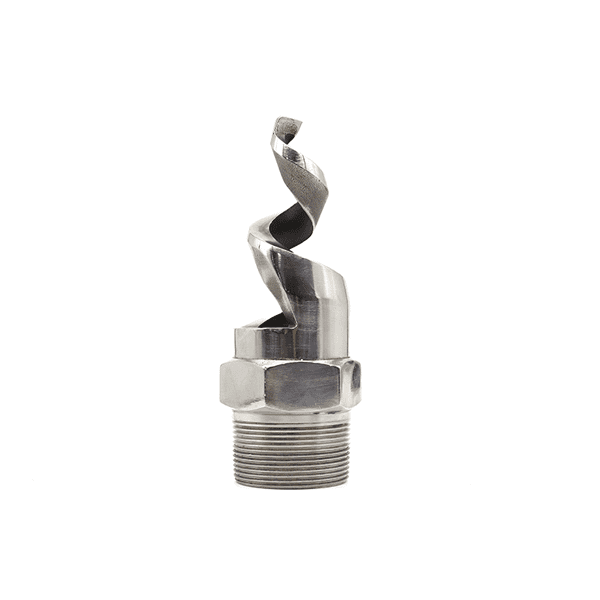
Spiral Nozzles

Spiral Nozzles

Use an open flow path and wide coverage for gas scrubbing, cooling, dust control and other process duties.

View Spiral Nozzles
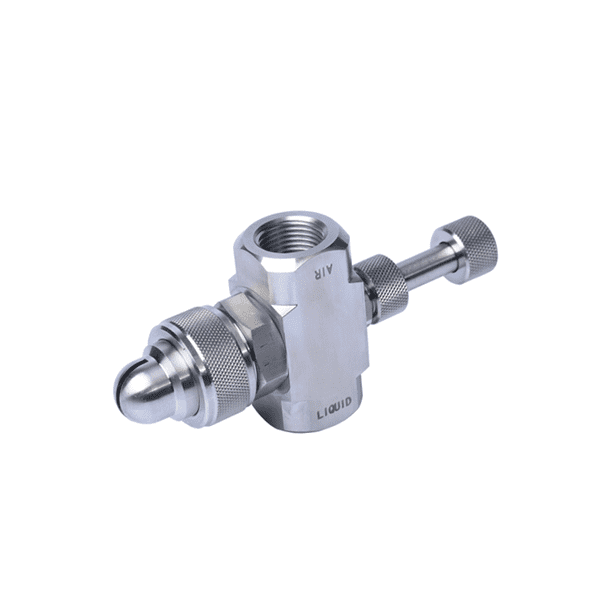
Air Atomizing Nozzles

Air Atomizing & Misting Nozzles

Create fine sprays for humidification, cooling, lubrication, coating and applications where droplet size matters.

View Atomizing Nozzles
Tank Cleaning Nozzles

Tank Cleaning Nozzles

Selected according to tank geometry, soil, spray reach, impact, flow, pressure, drainage and internal obstructions.

View Tank Cleaning Nozzles

Spray Solutions for Industrial Process Problems

Explore application pages that explain the operating challenge, selection criteria, suitable spray patterns and information required for review.

Industrial Cleaning & Surface Treatment

Evaluate spray impact, coverage, line speed, stand-off distance, fluid and contamination level for washing, rinsing, pretreatment and coating.

Explore industrial cleaning →

Dust Control & Gas Treatment

Match droplet size, distribution, material and flow to dust suppression, gas scrubbing, flue-gas cooling and odor-control conditions.

Explore dust control →

Cooling & Humidification

Select a nozzle using target temperature or humidity, available pressure, evaporation conditions, droplet size and allowable wetting.

Explore humidification →

Tank Cleaning & Liquid Mixing

Review tank size, internals, soil, cleaning cycle, pressure, drainage and material compatibility before selecting a device.

Explore tank cleaning →

Steel, Paper & Continuous Processing

Consider line speed, spray overlap, impact consistency, clogging risk, wear material and maintenance access.

Explore industry solutions →

Fire Protection & Special Applications

Suitability must be reviewed against system design, operating conditions and any required approval or certification.

Discuss a special application →

What Information Is Needed to Select a Spray Nozzle?

A useful nozzle recommendation starts with the operating conditions. Provide as much information as possible; unknown fields can be discussed during review.

Send Your Operating Conditions
Selection input Why it matters
Fluid, concentration and temperature Affect spray behavior, corrosion and clogging risk
Pressure at the nozzle Determines achievable flow and spray performance
Required flow rate Narrows the orifice and model range
Spray pattern, angle and droplet objective Define coverage and atomization requirements
Target size and spray distance Determine placement, overlap and reach
Material and connection Ensure chemical and installation compatibility
Quantity and project stage Distinguish sample, replacement, OEM and production needs

Standard Spray Nozzles and Custom Nozzle Development

A standard nozzle is normally the first option when an existing series meets the required spray, flow, material and connection conditions. A custom review may be appropriate when the installation, connection, material, flow path or spray geometry cannot be met by a standard model.

1. Application Review

Provide operating data, target result and any current model, drawing or sample information.

2. Nozzle or Design Proposal

We review a suitable standard series or the requirements for a custom configuration.

3. Specification Confirmation

Model, material, connection, dimensions and applicable inspection requirements are confirmed.

4. Production and Inspection

Production and inspection follow the approved order specification and applicable records.

Quality Controls Tied to the Agreed Nozzle Specification

Quality information should show what is checked, how it is checked and which document is available for the ordered product. Requirements vary by model and project and should be confirmed before quotation.

Spray Nozzle Selection Resources

Use these practical guides to compare materials, connections and common spray-performance issues before quotation.

Spray Nozzle Materials Guide

Compare stainless steel, brass and engineered plastics using fluid, temperature, wear and environment.

Read the materials guide →

NPT, BSPT and BSPP Threads

Understand common thread types and what must be confirmed before replacing or installing a nozzle.

Read the thread guide →

Uneven Spray Pattern Checks

Review pressure, blockage, wear, installation and operating conditions that may affect spray uniformity.

Read the troubleshooting guide →

Industrial Spray Nozzle FAQs

What information should I provide for nozzle selection?

Provide the fluid, temperature, available pressure, required flow, spray pattern or angle, target dimensions, material, connection and quantity. Include a drawing, current model or application photo when available.

Does Jeltecn supply standard and custom spray nozzles?

Jeltecn supplies standard product series and reviews application-specific or custom requirements. Feasibility depends on the operating conditions, geometry, material, quantity and inspection requirements.

Which nozzle material should I choose?

Material selection depends on fluid compatibility, concentration, temperature, pressure, wear, hygiene and the surrounding environment. Available materials depend on the nozzle series.

What is the minimum order quantity?

Minimum order quantity varies by product series, material and whether the item is standard or custom. Confirm the model and quantity with the sales team.

How is lead time confirmed?

Lead time is confirmed after the model, material, quantity, customization and inspection requirements are reviewed.

Can I submit an existing model, drawing or sample?

Yes. Include the available model information, drawing, dimensions, operating data or sample details so the team can review replacement or custom requirements.

View all spray nozzle FAQs →

Tell Us About Your Spray Application

Send the information you already have. Jeltecn will use it to review a product series, replacement requirement or custom-nozzle request.

Get a Nozzle Recommendation Browse All Products

Do not send confidential information unless the applicable handling terms have been confirmed.