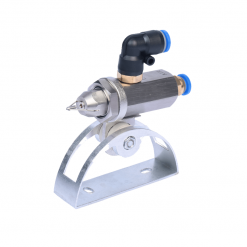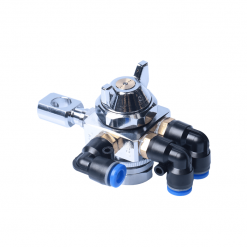

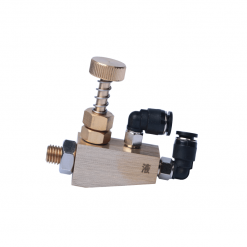
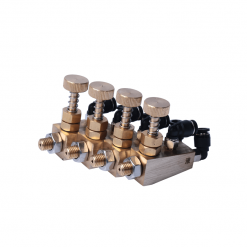
Air Atomizing Water Mixing Nozzle for Humidification
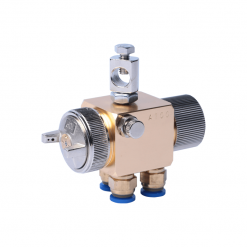
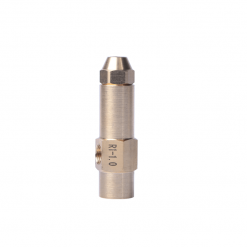
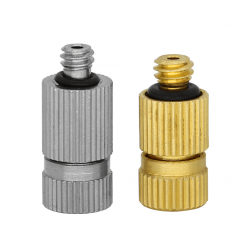
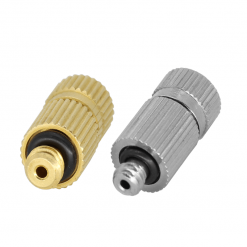
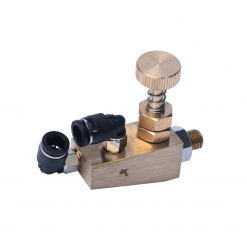
The air atomizing water mixing nozzle mixes compressed air and liquid to produce a controllable fine mist for humidification, cooling and coating duties. Air atomizing nozzle is a device that generates mist by mutual influence of airflow and liquid flow. The special internal structure design of this device can make liquid and gas evenly mixed to produce fine droplet size spray or coarse droplet spray.
Design Features:
Air atomizing nozzles are also called two-fluid nozzles, where the two-fluid refers to liquid and compressed air. Typically, finer droplet sprays are obtained by increasing the gas pressure or decreasing the liquid pressure, resulting in a higher gas flow rate liquid flow rate ratio.
Air atomizing nozzle is a kind of special application nozzle mist device with circular, fan, annular, wide-angle fan, and other spray shapes that interact with airflow and liquid flow. The liquid and gas are uniformly mixed to produce a spray of fine droplet size or a spray of coarse droplets.
Product Features:
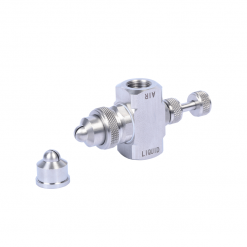
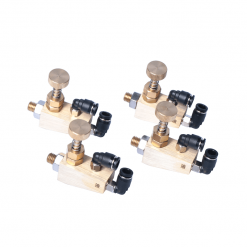
the adjustable air atomizing nozzle can adjust the liquid flow, and can also produce the required spray without changing the air pressure and liquid pressure, so it has strong adaptability. Design features:
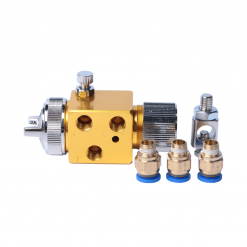
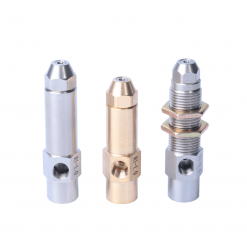
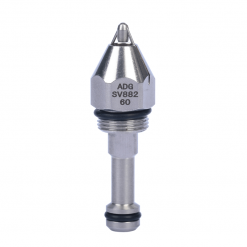
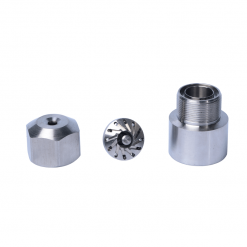
each spray device consists of an air cap and a liquid cap and can provide three spray patterns fan, circle, and wide-angle circle, and has a wide flow range. The nozzle body inlet fittings are available in a variety of sizes to fit the most commonly used pipes. The above nozzle parts are interchangeable, which provides flexibility for obtaining different spray properties. The fine droplet spray generated by the air atomizing nozzle can exert a good humidifying effect on the surrounding environment, the parts can be interchanged, and the disassembly and assembly are easy. This series of nozzles are ideal for locations requiring effective humidity control.
The Spray Shapes: Fan-shaped, Round, Wide-angle round optional.
Spray Methods: Pressure type, Siphon gravity type optional, (siphon does not need to add water pressure)
How Spray Works: Liquid + Compressed air mix to form tiny droplets
The liquid can be water, deodorant, alcohol, antistatic agent, ammonia water, surface treatment agent, oil, hydrogen peroxide, liquid with a certain viscosity, etc.
The gas can be compressed air, steam, inert gas, etc.
Advantages
- Professional industry spray nozzle with over 15 years of experience.
- Complete QC system and strong after-sales concept.
- 3 R&D Engineers with over 10 years of experience.
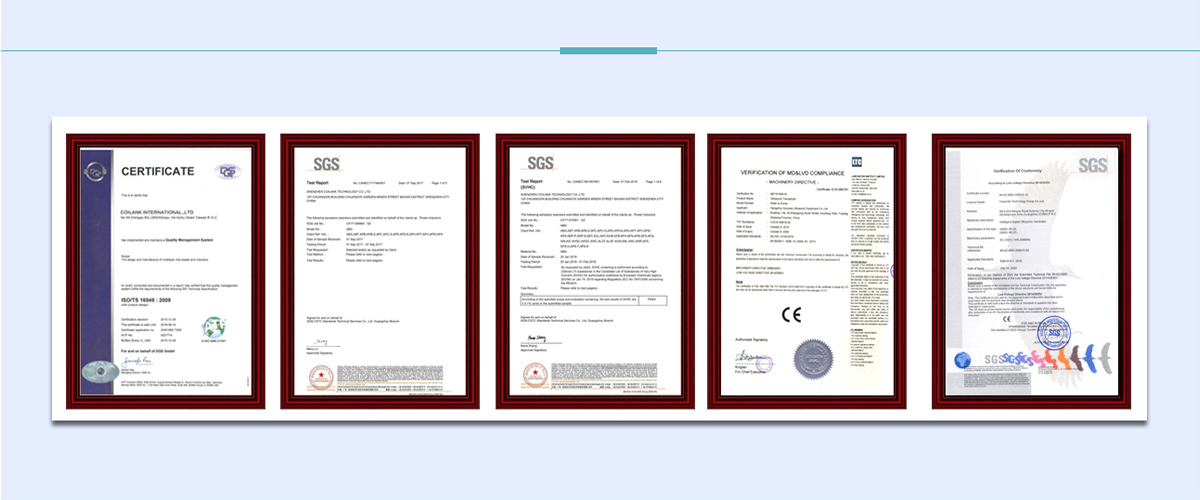
- ISO9001:2015/SGS/CE certification.
- Third-party audit.
- Fast delivery.
- Accept OEM/ODM
Specs
| Brand | Jeltecn |
| Nozzle Type | Adjustable Air atomizing |
| Thread Size | M5 |
| Spray Angle | 12°-15° |
| Spray Pattern | Narrow-Angle Round |
| Thread Type | / |
| Orifice Dia. (MM) | / |
| Air Pressure | 0.3Mpa |
| Capacity(L/H) | 0L-8L |
| Material | Brass |
| Packaging | Carton |
| Certificates | ISO9001/SGS/CE |
| Payment Terms | T/T, Western Union, Paypal |
Application
Paper Industry: Humidity control of pulp, Spray of release agent, Anti-bending of corrugated paper, etc.;
Plastic industry: Electrostatic Inhibitor Spray, Coating Film, etc.;
Steel industry: Cooling of Plates and Pipes, etc.;
Textile Industry: Moisturizing of Yarns and Fabrics, etc.;
Printing Industry: Preventing thermal ripples of gravure printing rotary machines, etc.;
Automotive Industry: Trolley cooling of ovens on coating lines, etc.
Quotation and configuration
Jeltecn is a registered nozzle brand of Melinco Precision Technology Co., Ltd. Because material, connection, flow configuration and quantity affect the quotation, pricing is prepared against the requested model and operating conditions. Send the liquid, available air and liquid pressure, target flow, spray pattern, material, connection and quantity for review.
Image
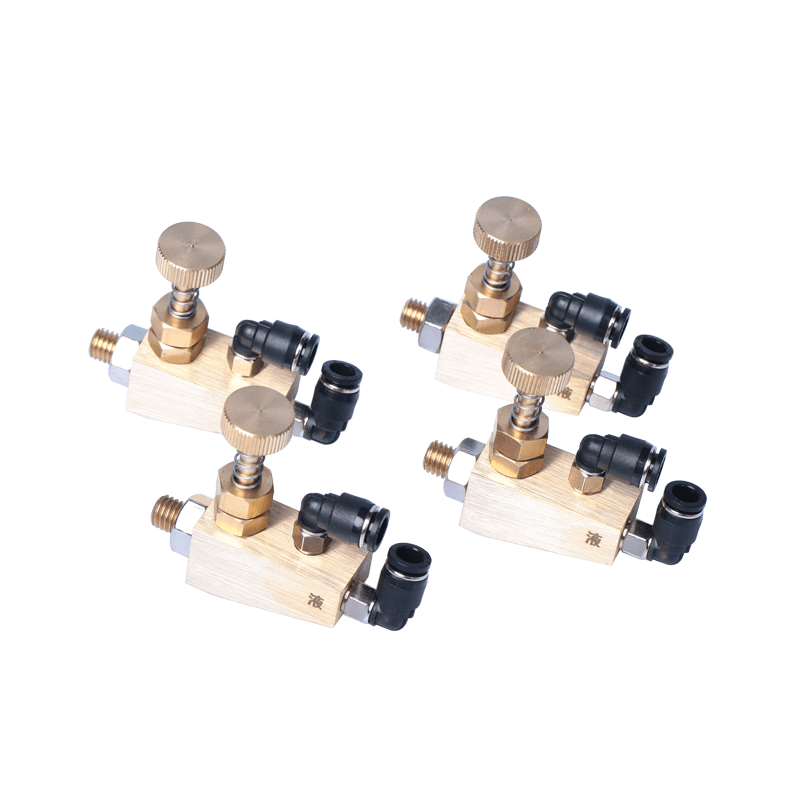
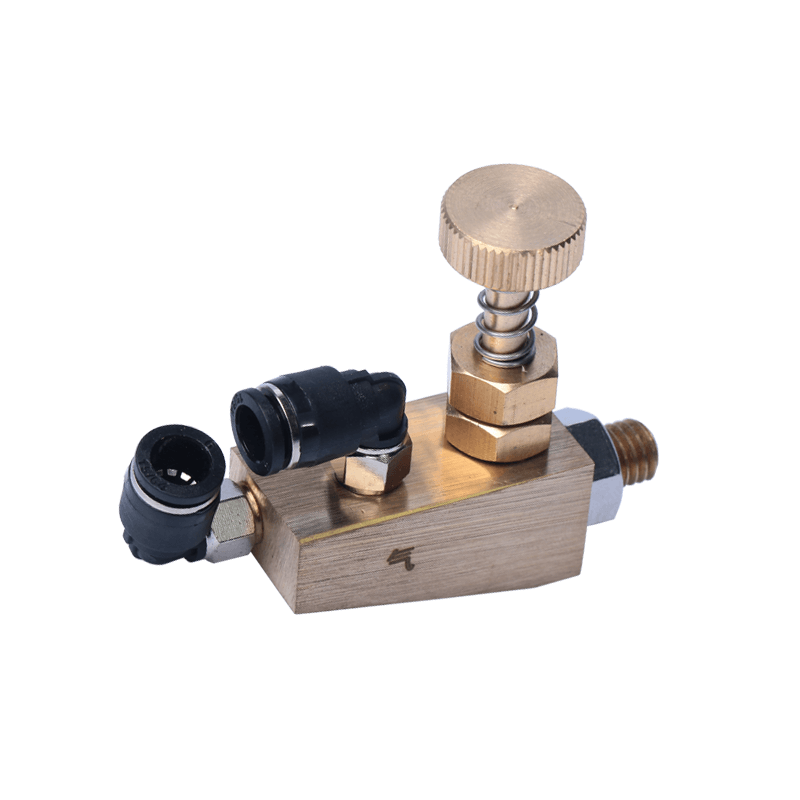
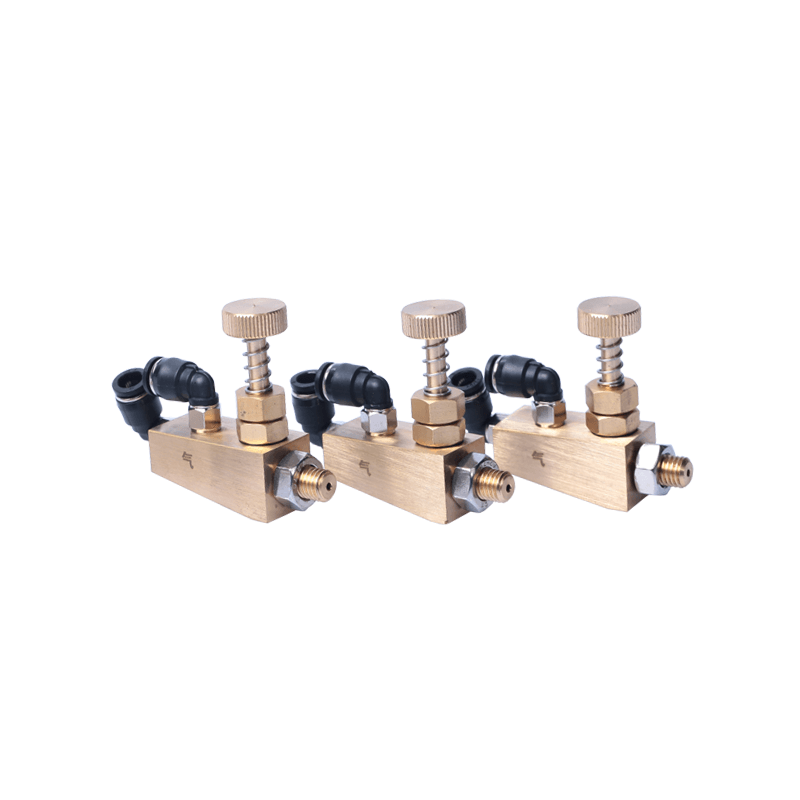
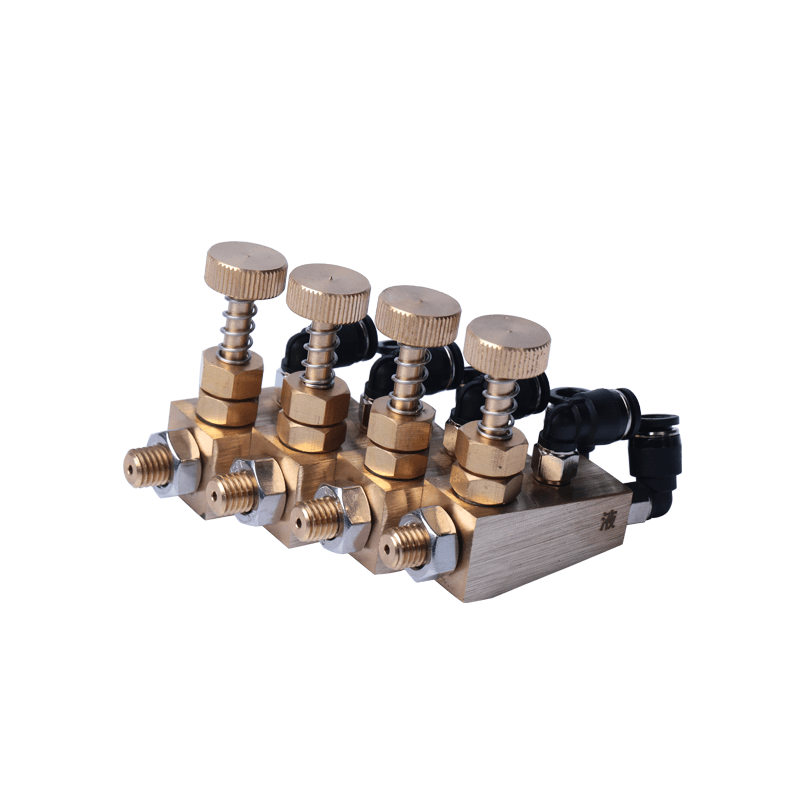

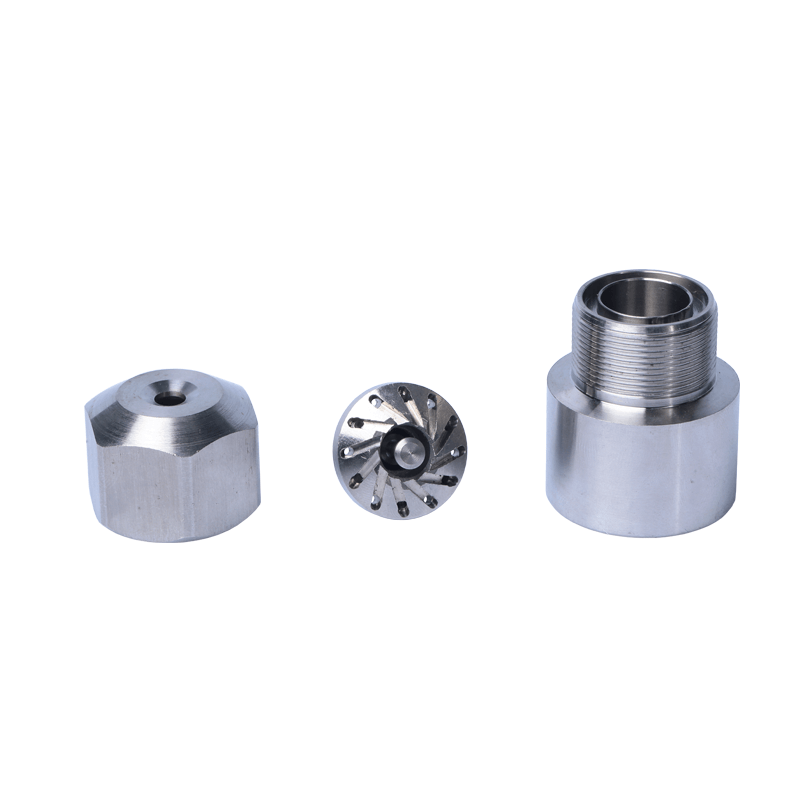
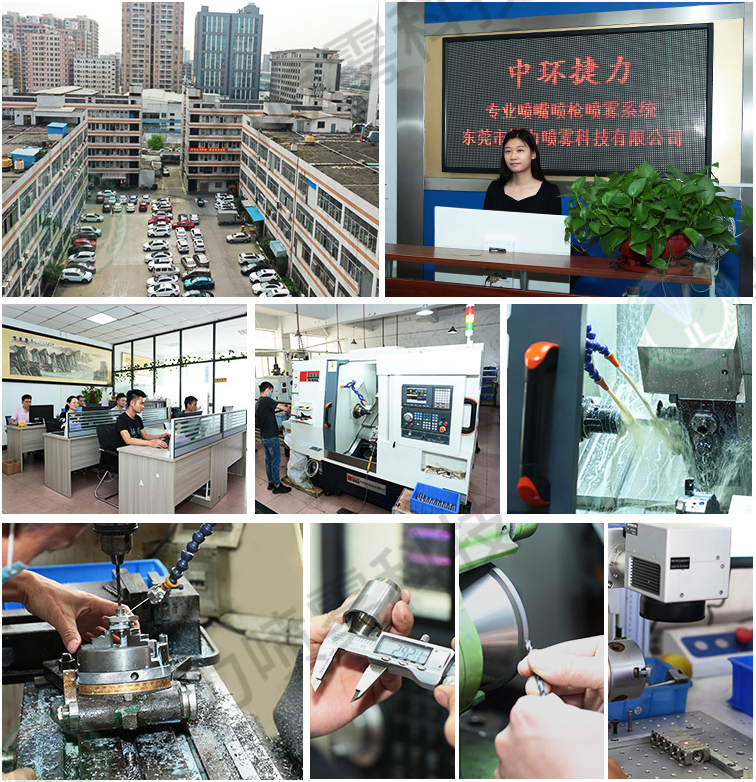
Jeltecn Factory
Certification
Cooperative Customers
Video
How to Select Brass Air Atomizing Nozzle for Humidification
brass air atomizing nozzle mixes compressed gas with liquid to generate an adjustable fine spray for duties that need smaller droplets than many hydraulic nozzles. This page should be evaluated as an engineered component: final performance depends on the liquid, pressure at the nozzle, installed geometry and the selected configuration.
Technical selection criteria
- Process fluid: identify composition, temperature, specific gravity, viscosity, suspended solids and any corrosion or erosion risk.
- Required duty: state flow per nozzle, minimum and maximum inlet pressure, operating cycle and acceptable turndown.
- Spray result: define pattern, angle, coverage width or diameter, stand-off distance, droplet requirement and allowable overspray.
- Installation: confirm thread standard, connection size, orientation, header spacing, available clearance and access for inspection.
- Materials and maintenance: match body, insert, seals and accessories to the fluid and environment; include filtration and cleaning requirements.
Where this nozzle type fits
Typical evaluation areas include industrial humidification, coating, cooling, lubrication and controlled wetting. When comparing brass air atomizing nozzle with two-fluid nozzle, air-water mixing nozzle, pneumatic atomizing nozzle, select the pattern and construction that solve the actual process duty. A wider angle does not automatically mean better atomization, and a higher pressure does not automatically deliver the best coverage.
Engineering limits and installation checks
Published flow and spray data are normally based on defined test liquids and conditions. Viscosity, specific gravity, pressure loss, solids, temperature, nozzle wear, pulsation and nearby airflow can change field performance. Confirm the installed pressure at the nozzle—not only pump discharge pressure—and verify overlap or target coverage before finalizing a production header.
Information to include with an RFQ
Provide liquid properties, target flow, pressure range, spray angle or coverage, distance to target, material, connection, quantity, duty cycle and installation drawings. Jeltecn can use these inputs to compare the requested configuration with related spray nozzle application guidance and the complete industrial spray nozzle range.
Frequently asked questions
What determines the flow of brass air atomizing nozzle?
Flow depends primarily on the selected orifice and pressure differential, then must be corrected for liquid density, viscosity and the actual piping losses.
How should this nozzle be validated before production use?
Confirm the exact model and material, review the performance table, test coverage under representative conditions and document inspection or replacement criteria.
brass air atomizing nozzle Selection Summary
A brass air atomizing nozzle should be selected from the required process result backward—not from connection size alone. Confirm the liquid, target flow, pressure available at the nozzle, spray geometry, material and service environment before choosing a model.
When specifying brass air atomizing nozzle, document the stand-off distance, coverage or impact requirement, duty cycle, filtration and maintenance access. The final brass air atomizing nozzle configuration should then be checked against representative operating conditions rather than a single catalogue point.
Related engineering terms include two-fluid nozzle, air-water mixing nozzle, pneumatic atomizing nozzle. These terms may describe adjacent spray patterns or constructions, but they are not automatically interchangeable. For general definitions of full-cone, flat-spray, hollow-cone, fine-spray and air-atomizing patterns, see the Spraying Systems spray-pattern reference.
For a brass air atomizing nozzle quotation, include the required quantity, connection standard, material, operating range and a drawing or photo of the installation.
Brass Air Atomizing Nozzle for Humidification: Engineering Decision Guide
This brass air atomizing nozzle is intended for applications that use compressed air to break liquid into fine droplets and shape the spray. It is a practical choice for humidification and controlled wetting when the process can supply clean, regulated air and the fluid is compatible with brass and the selected seals.
When this nozzle is the right fit
This product is a strong candidate when its spray mechanism matches the process objective and the site can maintain the required utilities, liquid quality, installation geometry and inspection routine. Use the following decision points to qualify the application before selecting a connection or ordering quantity.
| Decision variable | What to confirm |
|---|---|
| Humidity or wetting target | Define evaporation time, allowable surface wetting and acceptable droplet carryover. |
| Air quality and capacity | Confirm clean regulated air flow at operating pressure, including simultaneous demand from all nozzles. |
| Liquid quality | Provide hardness, solids, chemical composition and filtration conditions. |
| Control range | State normal and turndown flow, cycling frequency and desired response. |
| Material compatibility | Verify brass and elastomer compatibility with liquid, cleaning agents and the environment. |
| Layout | Map nozzle height, spacing, ventilation and sensitive surfaces where condensation must be avoided. |
How it compares with alternative spray technologies
Air atomization provides adjustable droplet formation and plume control but consumes compressed air. High-pressure misting can serve large humidification systems without atomizing air, while ultrasonic atomization may suit low-flow, low-velocity applications. Choose from the site utilities, control range, water quality and evaporation requirement.
Common performance problems and diagnostic checks
| Observed problem | What to investigate first |
|---|---|
| Visible wetting or condensation | Reduce local liquid loading, improve distribution or evaporation distance, and verify humidity controls. |
| Coarse or unstable spray | Check air pressure under flow, liquid viscosity, passages, cap alignment and supply balance. |
| Mineral deposits | Improve water treatment or filtration and establish compatible cleaning intervals. |
| Unequal output on a manifold | Balance air and liquid branches and confirm pressure at the farthest nozzles. |
Recommended validation before production release
Map humidity and surface wetting across representative operating conditions. A successful test should include cold-start and high-load periods, airflow changes, nozzle cycling and inspection of nearby equipment. Establish water-quality limits and cleaning triggers before scale affects performance.
Core-product RFQ checklist
Send the liquid name and concentration, temperature, viscosity, solids or water-quality information, target flow per nozzle, available pressure, air data where applicable, spray distance, coverage geometry, duty cycle, connection preference, material restrictions, installation drawing and photos of the spray zone. State the process result you need and the failure mode you want to avoid. Jeltecn can then review the application and identify points requiring test confirmation.
Related technical routes: Ultrasonic atomizing nozzle · Applications · all spray nozzle products · request an engineering quotation.