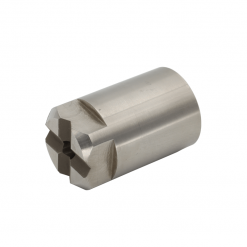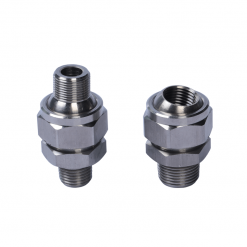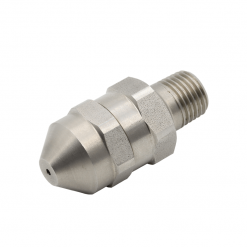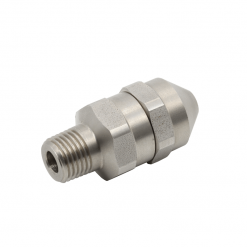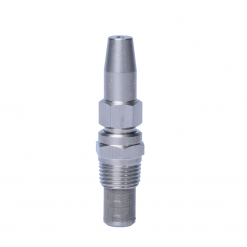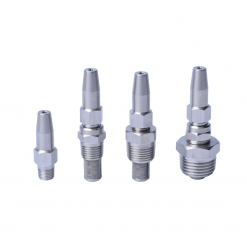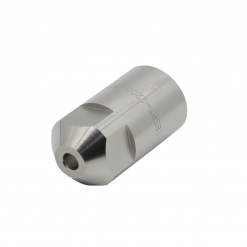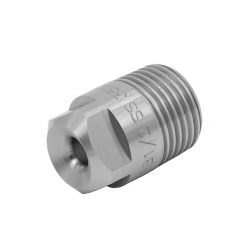





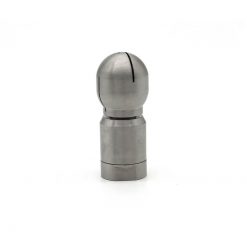
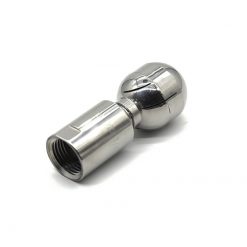
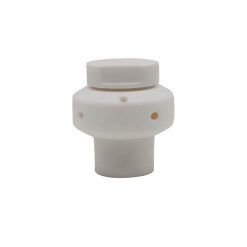
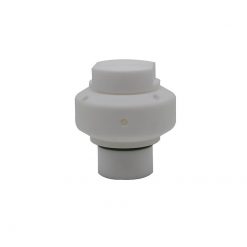
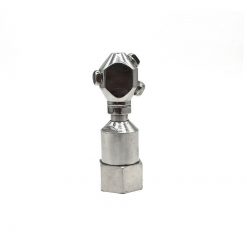
Industrial Tank Cleaning Nozzles: Product Scope
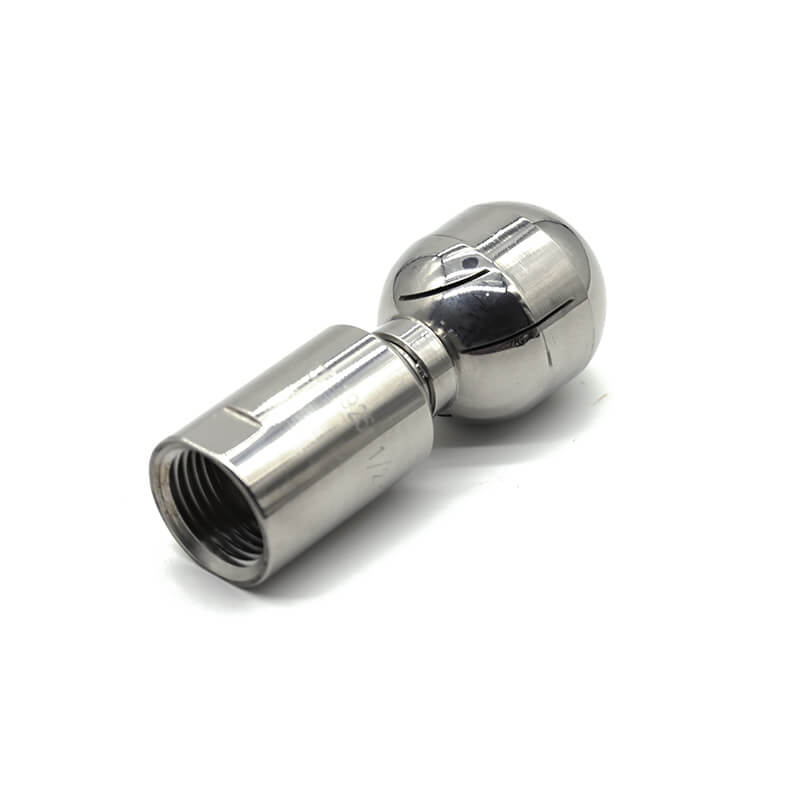
Product scope: this page covers Jeltecn pressure-supplied rotating tank cleaning nozzle configurations for internal vessel rinsing and cleaning. Listed coverage options for this product include 180°, 270° and 360°. Rotation, impact and coverage depend on flow and pressure at the nozzle, installed geometry, residue and the selected configuration.
For broad comparison by cleaning duty, tank dimensions, access opening, coverage, cycle and material, use the Tank Cleaning Nozzles category.
Use the model information below to review this pressure-driven product route, then confirm the exact configuration against representative operating conditions before purchase.
Advantages of Jeltecn Tank Cleaning Nozzles
- Professional industry spray nozzle with over 15 years of experience.
- Complete QC system and strong after-sales concept.
- 3 R&D Engineers with over 10 years of experience.
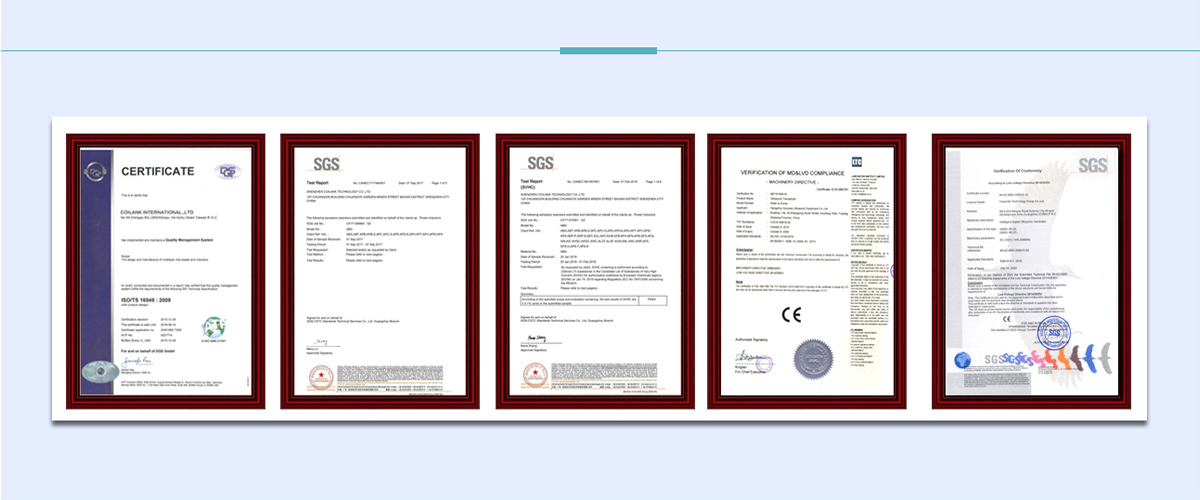
- ISO9001:2015/SGS/CE certification.
- Third-party audit.
- Fast delivery.
- Accept OEM/ODM
Tank Cleaning Nozzle Specifications
| Brand | Jeltecn |
| Nozzle Type | Tank Clean Nozzle |
| Thread Size | 1/8”, 1/4”,3/8”, 1/2”, 3/4”, 1”, 1-1/4”, 1-1/2”, 3” |
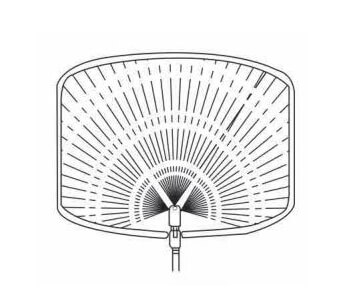
| Spray Angle | 180°, 270°, 360° |
| Spray Pattern | Full Cone |
| Thread Type | BSPT, NPT |
| Orifice Dia. (MM) | / |
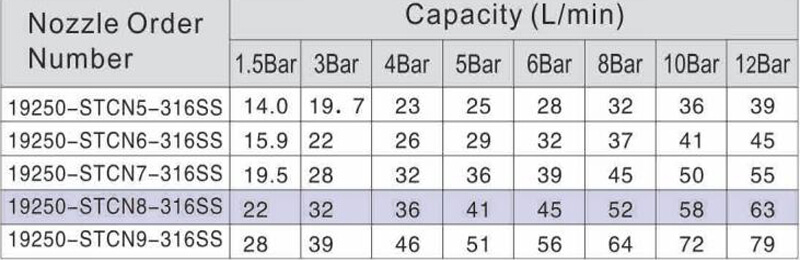
| Water Pressure | 1bar-12bar |
| Capacity(L/H) | 14L-1490L |
| Material | Stainless Steel/Teflon |
| Packaging | Carton |
| Certificates | ISO9001/SGS/CE |
| Payment Terms | T/T, Western Union, Paypal |
Tank Cleaning Nozzle Applications
Blind hole roller cleaning
Groove Roll Cleaning
High-pressure swing cleaning
High-pressure swing cleaning of press section felt
Tank Cleaning Nozzle Performance Data
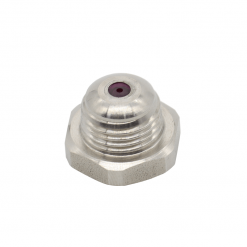
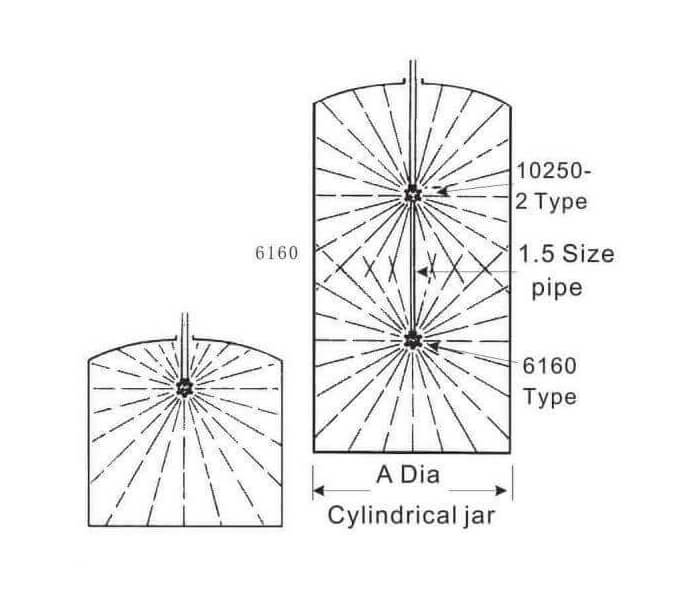
6160 & 10250 Tank Cleaning Nozzles
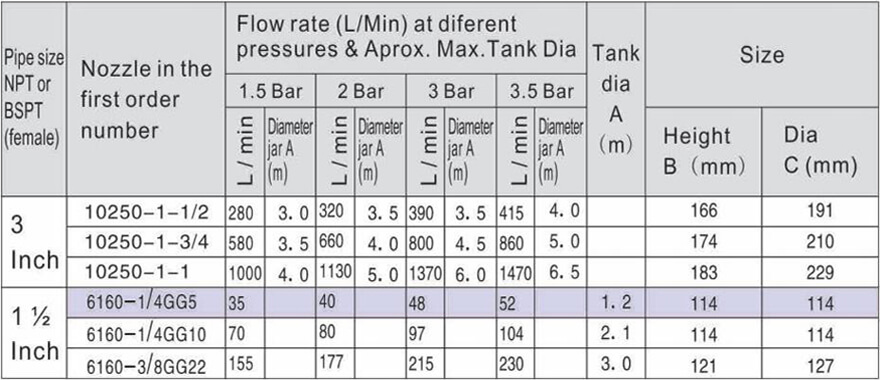
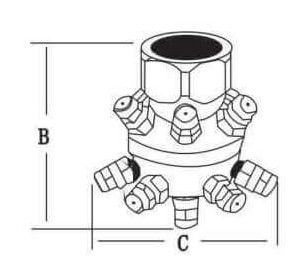
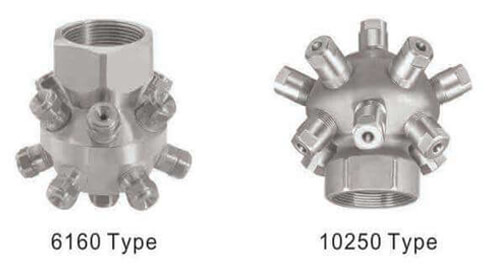
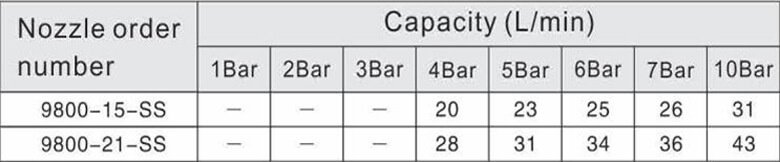
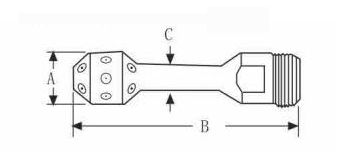
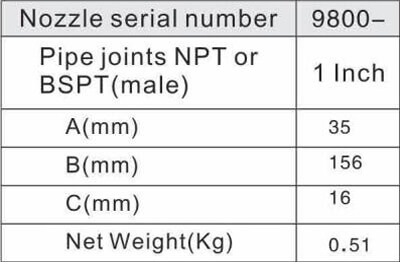
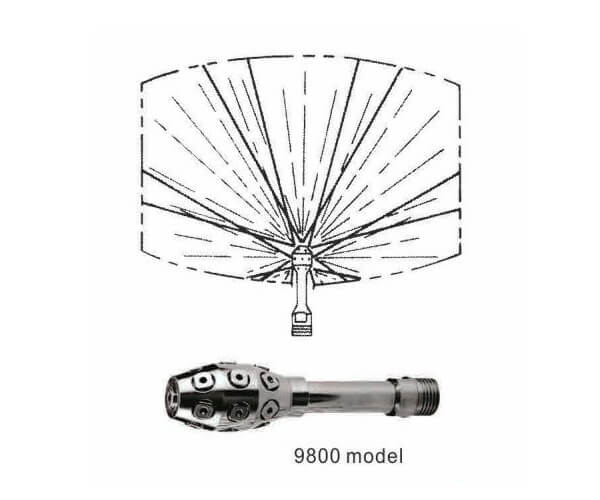
9800 Tank Cleaning Nozzles
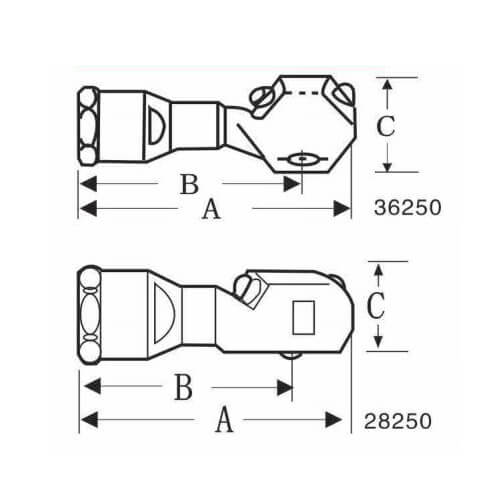
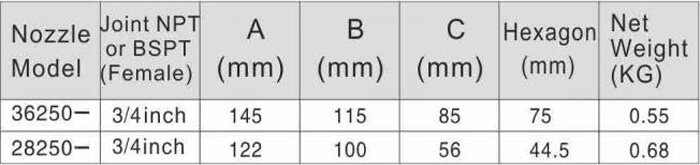
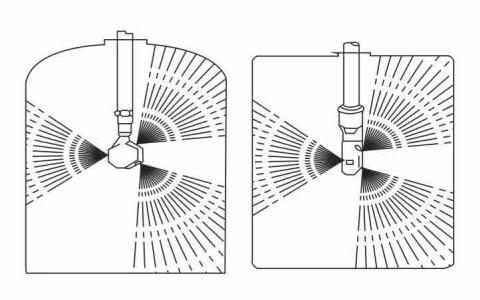
36250 & 28250 Compact Rotary Cleaning Nozzles

M-50 Rotary Tank Cleaning Nozzles


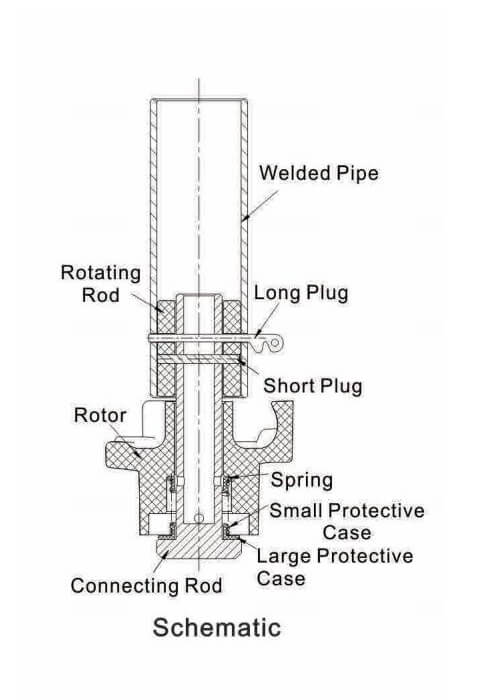
12810 Small Rotating Rotary Cleaning Nozzles


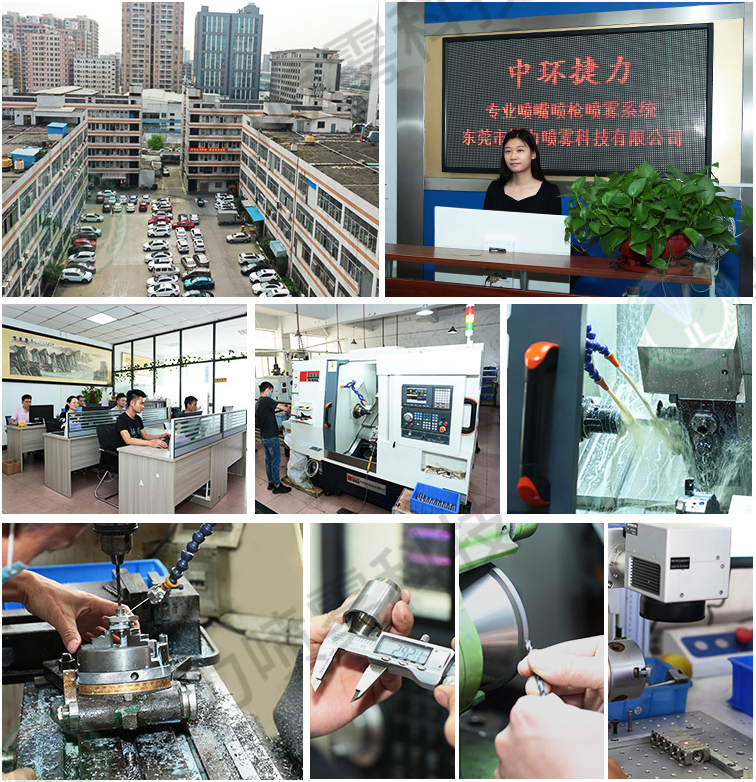
Jeltecn Tank Cleaning Nozzle Factory
Certification
Cooperative Customers
Tank Cleaning Nozzle Video Demonstration
How to Select Tank Cleaning Nozzle for Pressure Washers
tank cleaning nozzle uses liquid reaction force and rotating jets to distribute cleaning impact inside vessels; nozzle choice must match tank geometry and available pressure. This page should be evaluated as an engineered component: final performance depends on the liquid, pressure at the nozzle, installed geometry and the selected configuration.
Technical selection criteria
- Process fluid: identify composition, temperature, specific gravity, viscosity, suspended solids and any corrosion or erosion risk.
- Required duty: state flow per nozzle, minimum and maximum inlet pressure, operating cycle and acceptable turndown.
- Spray result: define pattern, angle, coverage width or diameter, stand-off distance, droplet requirement and allowable overspray.
- Installation: confirm thread standard, connection size, orientation, header spacing, available clearance and access for inspection.
- Materials and maintenance: match body, insert, seals and accessories to the fluid and environment; include filtration and cleaning requirements.
Where this nozzle type fits
Typical evaluation areas include process tanks, drums, intermediate bulk containers and equipment wash-down. When comparing tank cleaning nozzle with rotary tank washer, vessel cleaning nozzle, pressure washer tank cleaner, select the pattern and construction that solve the actual process duty. A wider angle does not automatically mean better atomization, and a higher pressure does not automatically deliver the best coverage.
Engineering limits and installation checks
Published flow and spray data are normally based on defined test liquids and conditions. Viscosity, specific gravity, pressure loss, solids, temperature, nozzle wear, pulsation and nearby airflow can change field performance. Confirm the installed pressure at the nozzle—not only pump discharge pressure—and verify overlap or target coverage before finalizing a production header.
Information to include with an RFQ
Provide liquid properties, target flow, pressure range, spray angle or coverage, distance to target, material, connection, quantity, duty cycle and installation drawings. Jeltecn can use these inputs to compare the requested configuration with related spray nozzle application guidance and the complete industrial spray nozzle range.
Frequently asked questions
What determines the flow of tank cleaning nozzle?
Flow depends primarily on the selected orifice and pressure differential, then must be corrected for liquid density, viscosity and the actual piping losses.
How should this nozzle be validated before production use?
Confirm the exact model and material, review the performance table, test coverage under representative conditions and document inspection or replacement criteria.
Pressure Washer and High-Pressure Selection Checks
Can this tank cleaning nozzle be used with a pressure washer?
It can be evaluated for a pressure-supplied cleaning system when the washer or pump can provide the model’s required flow and pressure at the nozzle. Check hose, valve and fitting losses, connection compatibility and the maximum stated operating range; do not select from pump pressure alone.
Does higher pressure always improve tank cleaning?
No. Cleaning depends on impact, coverage, flow, residue and cycle conditions. Excess pressure outside the selected model’s range can increase wear or produce a result that does not match the intended pattern. Verify the installed condition with representative cleaning tests.
Tank Cleaning Nozzle Selection Summary
A tank cleaning nozzle should be selected from the required process result backward—not from connection size alone. Confirm the liquid, target flow, pressure available at the nozzle, spray geometry, material and service environment before choosing a model.
When specifying tank cleaning nozzle, document the stand-off distance, coverage or impact requirement, duty cycle, filtration and maintenance access. The final tank cleaning nozzle configuration should then be checked against representative operating conditions rather than a single catalogue point.
Related engineering terms include rotary tank washer, vessel cleaning nozzle, pressure washer tank cleaner. These terms may describe adjacent spray patterns or constructions, but they are not automatically interchangeable. For general definitions of full-cone, flat-spray, hollow-cone, fine-spray and air-atomizing patterns, see the Spraying Systems spray-pattern reference.
For a tank cleaning nozzle quotation, include the required quantity, connection standard, material, operating range and a drawing or photo of the installation.