
Application-Focused Nozzle Selection for Industrial Processes
Jeltecn helps engineers and procurement teams match spray pattern, droplet size, flow, pressure, connection and material to the operating conditions of each process. Browse spray nozzles by industry below, then share your fluid, temperature, pressure and performance requirements for a nozzle review.

Automotive
Typical spray duties include parts cleaning, pretreatment, coating, booth humidification and component cooling. Define the substrate, chemistry, line speed, target coverage and allowable carryover before selection.
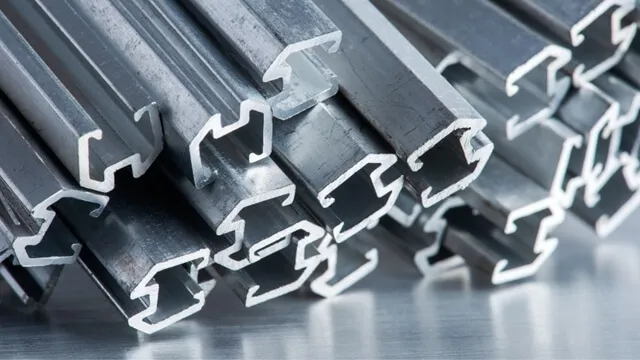
Building Materials
Dust control, mill cooling, coating and process-gas conditioning require different droplet and coverage behavior. Provide the material, conveyor or duct geometry, and available pressure.

Chemical Processing
Gas scrubbing, vessel cleaning, injection and cooling depend on fluid compatibility, differential pressure, droplet range and access for inspection.
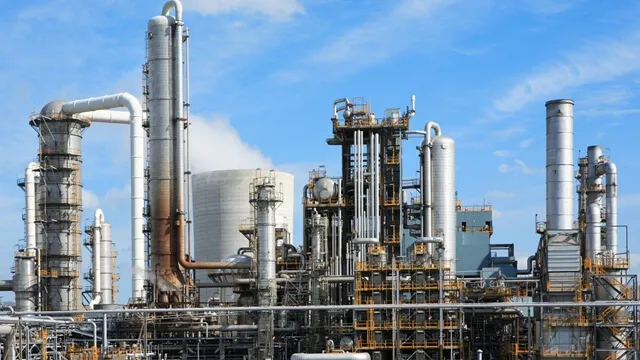
Energy
Gas cooling, FGD, SCR/SNCR injection, inlet cooling and fire protection each have different residence-time, material and redundancy requirements.
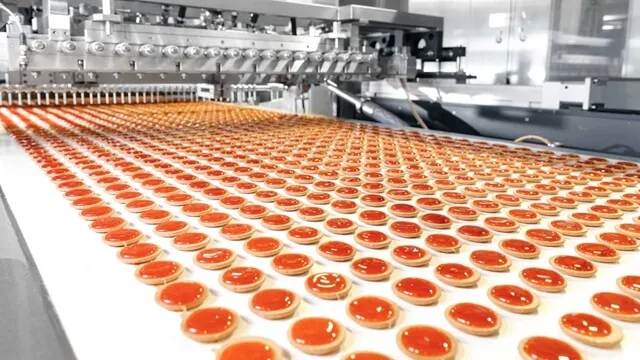
Food & Beverage
Tank cleaning, product coating, cooling, pasteurization and spray drying may require process-specific hygienic design and documented cleaning conditions.

Pulp, Paper & Tissue
Shower, edge-trimming, felt-cleaning, humidification and foam-control duties are selected from water quality, impact, coverage and maintenance access.

Pharmaceutical Manufacturing
Spray drying, coating, humidification and cleaning require controlled atomization plus material, cleaning and documentation requirements defined by the process owner.
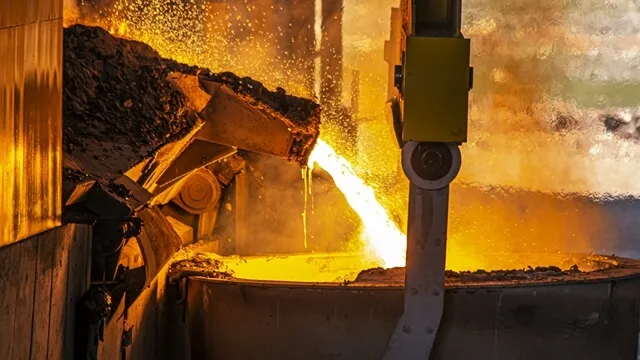
Steel & Metals
Secondary cooling, roll cooling, descaling and dust control require target heat removal or impact, header geometry, water quality and maintenance access.
Transportation
Vehicle, rail and marine systems may involve parts cleaning, cooling, tank washing and fire-protection duties. Confirm applicable project codes before product selection.

Other Industries
For an unlisted process, provide the operating envelope, geometry and required outcome. The first task is to define the spray function, not choose a nozzle name.