
Industrial Spray Nozzle Applications by Process Requirement
Industrial spray nozzle selection starts with the process: the fluid, target coverage, flow rate, pressure, droplet size, spray angle, connection, temperature and material compatibility. Explore common application groups below, then provide the operating conditions so Jeltecn can review a suitable nozzle family and configuration.
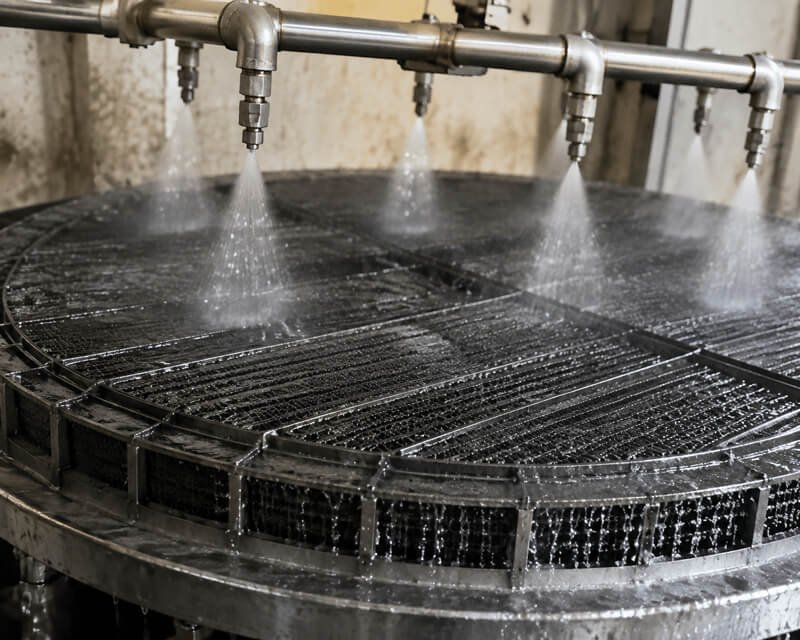
Mist Eliminator Washing
Wash and rinse demister elements without overstating the nozzle as the separation device. Selection depends on element geometry, cleaning liquid, solids, coverage and drainage.
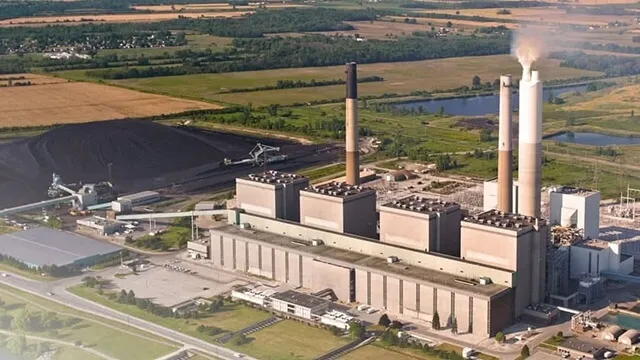
Flue Gas Desulfurization (FGD)
Distribute limestone slurry or other absorbent in wet FGD absorbers. Free passage, erosion resistance, droplet distribution and tower geometry must be reviewed together.
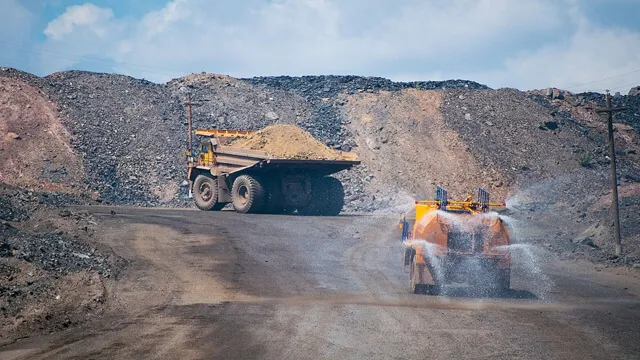
Dust Suppression
Match droplet size and placement to the dust source at crushers, conveyors, transfer points and stockpiles while controlling added moisture.

Gas Scrubbing
Select scrubber nozzles around gas–liquid contact, pollutant solubility, packing or open-tower geometry, solids and corrosion—not a generic spray pattern.
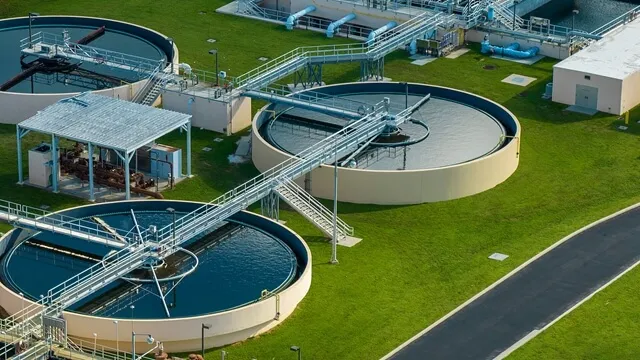
Odor Control
Apply water or approved neutralizing chemistry at the odor source or treatment stage with controlled droplet size, coverage and chemical compatibility.

Marine Gas Scrubbing
Distribute seawater or recirculating wash liquid in marine EGCS service. Corrosion, solids, washwater rules and approved system performance are system-level requirements.

Air Inlet Cooling
Atomize water upstream of turbines, compressors or process air systems while controlling evaporation distance and preventing liquid carryover.
Gas Cooling
Cool or condition hot process gas by controlled evaporation. Droplet spectrum, residence time, wall wetting and downstream temperature limits govern the design.
Roll Cooling
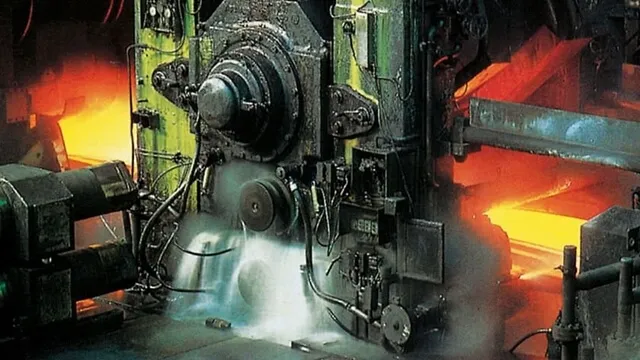
Apply controlled, repeatable cooling across work and backup rolls. Header alignment, spray overlap, impact and drainage affect thermal uniformity and strip quality.
Secondary Cooling
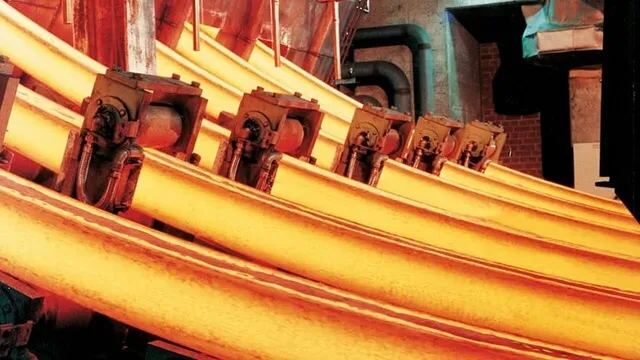
Control strand cooling after the mold with water or air-mist sprays. Heat transfer, distribution, turn-down and nozzle arrangement must be evaluated at caster conditions.
Humidification
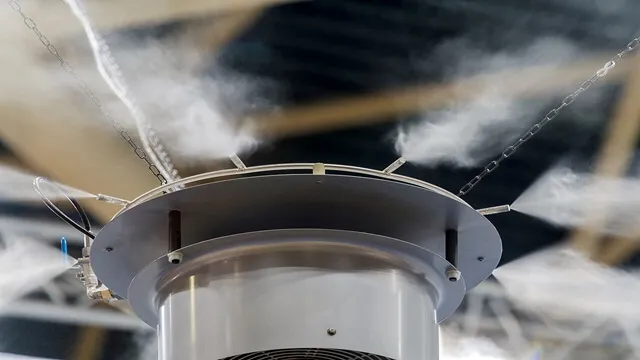
Add moisture to ducts, rooms or process air through controlled evaporation. Water quality, absorption distance, drainage and hygienic operation must be planned.

Spray Drying
Atomize feed into a drying chamber with a droplet distribution suited to the product and dryer. Feed properties, solids, viscosity and cleaning are decisive.
Aeration / Air Stripping
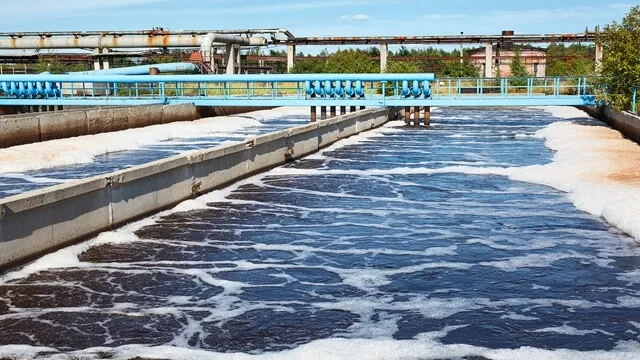
Create gas–liquid contact for aeration or transfer of volatile compounds. Off-gas handling and complete treatment-system design remain essential.

Vacuum Distillation
Distribute wash liquid, reflux or process fluid under vacuum. Low pressure drop, vapor–liquid distribution, viscosity and fouling govern the arrangement.
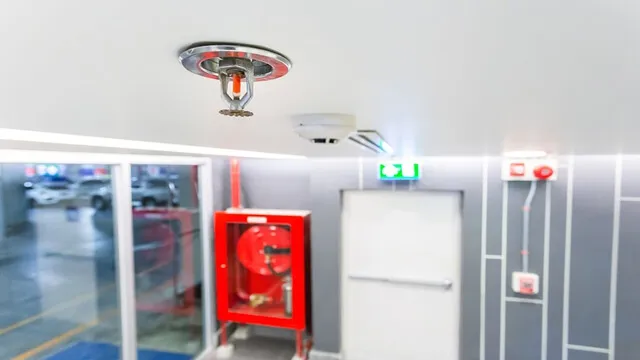
Fire-Protection Deluge
Provide directional water spray for exposure protection, cooling or wetting as part of an engineered fixed system. Listing, approvals and hydraulic design are project requirements.
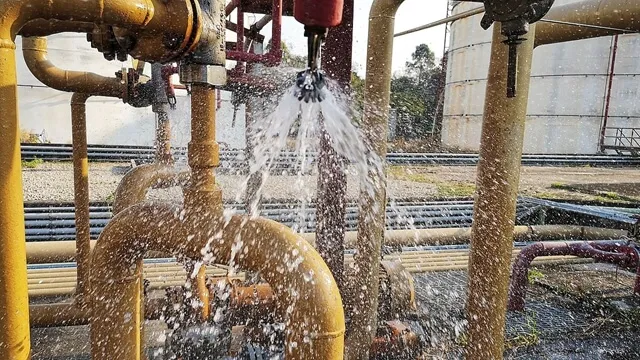
Water Mist Fire Protection
Use only within a tested and approved water-mist system for its specific hazard and enclosure. Nozzle geometry alone does not establish system performance.

Marine Fire Suppression
Select marine fire nozzles within an approved vessel system, accounting for saltwater corrosion, vibration, coverage, classification and maintenance.
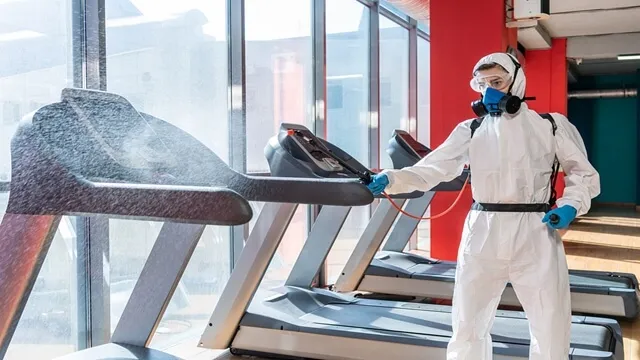
Industrial Disinfection Spraying
Apply an approved disinfectant at its label concentration and contact time with controlled coverage. Atomization does not replace cleaning, validation or safety controls.
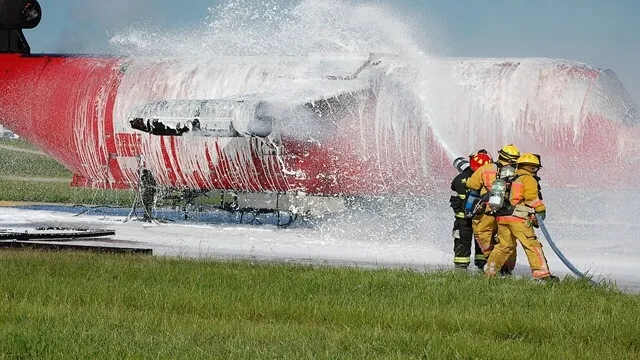
Foam Control
Break or wet foam mechanically at tanks, basins and process vessels, or distribute an approved antifoam. Fluid impact, coverage and process contamination limits matter.
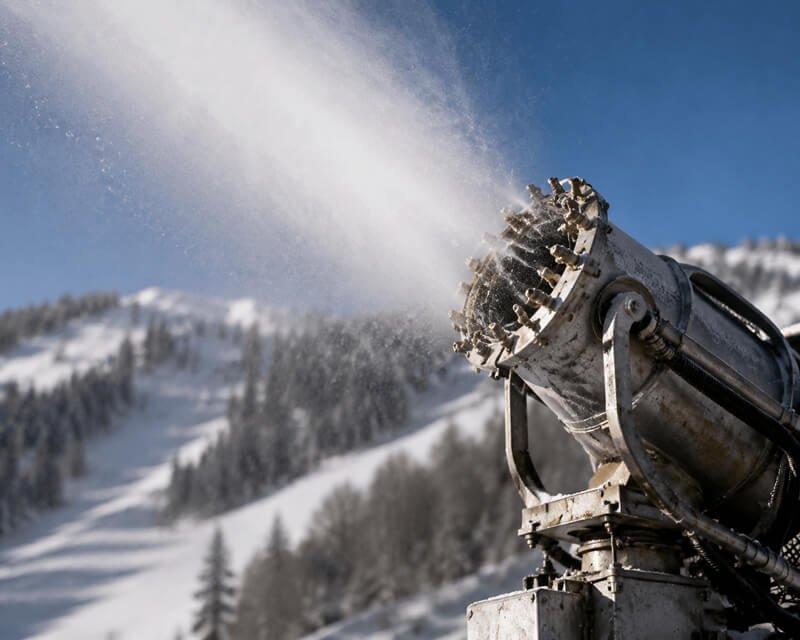
Snowmaking Nucleation
Generate nucleation droplets in a snowmaking system based on wet-bulb conditions, compressed air, water quality and gun design—not air temperature alone.

Pasteurization Spraying
Distribute heating and cooling water across containers in tunnel pasteurizers. Thermal process validation, hygiene, coverage and cleanability are system requirements.

SCR / SNCR Reagent Injection
Inject ammonia, urea solution or another approved reagent with droplet size, trajectory and distribution matched to the temperature window and gas profile.
Ready to Optimize Your Process?
Whether you need to improve efficiency, reduce costs, or ensure compliance, we have a solution for you.
How to Compare Industrial Spray Nozzle Applications
Industrial spray nozzle applications should be evaluated at the actual operating conditions, not by nozzle name alone. Define the required process result first, then compare flow, pressure, droplet behavior, coverage, liquid properties, materials and installation limits.
Which data define the starting point?
For industrial spray nozzle applications, provide the fluid and solids content, required capacity, available pressure, temperature, target geometry, spray distance, connection and maintenance constraints.
Can one nozzle family fit every process?
No. Similar industrial spray nozzle applications can require different patterns, passage sizes, materials or atomization methods when operating conditions change.
How should a selection be validated?
Validate industrial spray nozzle applications at the intended flow and pressure, and review overlap, drainage, carryover, wall wetting, access and system-level safety requirements where applicable.
Use these industrial spray nozzle applications guides to prepare the operating data, then request an engineering review for the final configuration. When comparing industrial spray nozzle applications, use a technical nozzle function reference to review general pattern and operating principles before selection.