

Description
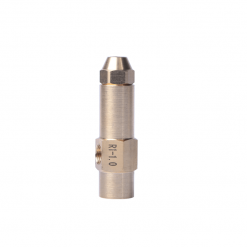
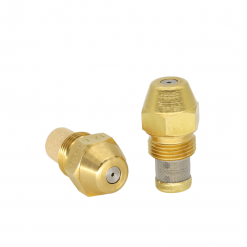
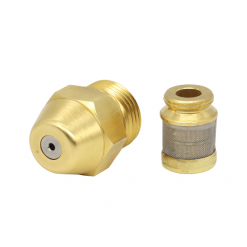
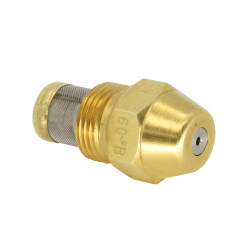
OD series oil burner nozzles are special nozzles for atomized fuel, which can produce hollow and solid spray shapes. Generally, there are 30, 45, 60, 80-degree spray angles. This type of nozzle generally considers its viscosity and density when studying its flow and angle parameters.
OD oil burner nozzles are single-channel high-pressure atomizing fuel nozzles, suitable for the atomization and combustion of light oil and heavy oil. Oil burner nozzles use liquid pressure to generate a fine hollow spray to provide atomized fuel for the engine, thereby improving fuel efficiency. Fuel can be divided into pressure type and siphon type fuel nozzles due to different fuel supply methods.
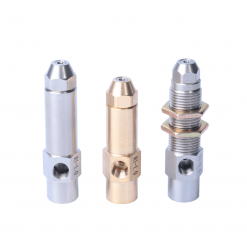
Oil burner nozzles are a single-fluid medium and high pressure atomizing nozzle. It usually uses a small aperture and fine flow to achieve the effect of wet mist. Generally, it has filters of different meshes. Grinding micro-holes; siphon fuel nozzle is a two-fluid nozzle that atomizes liquid with air pressure to produce an extremely fine atomization effect.
oil burner nozzles have several important responsibilities. They not only need to provide accurate fuel quantities, but also atomize the fuel into extremely fine droplets. Can burn 100% completely.
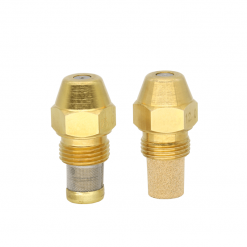
The general working pressure is 7-10kg/cm2, and the flow rate is calculated in L/h. Different fuel injection nozzles are equipped with corresponding types of oil filters according to different flow rates. The flow rate is 1.5L-1.7L/h with 45-micron molten copper oil filter When the flow is 1.89-3.78L, it is equipped with a 75-micron molten copper oil filter, when the flow is 4.76-5.10L/h, it is equipped with a 125-micron molten copper oil filter, and when the flow is 5.68-41.64L/h, it is equipped with a 140-micron Momix Ear alloy mesh, no oil filter mesh when the flow rate is above 45.42L/h.
Advantages
- Professional industry spray nozzle with over 15 years of experience.
- Complete QC system and strong after-sales concept.
- 3 R&D Engineers with over 10 years of experience.
- ISO9001:2015/SGS/CE certification.
- Third-party audit.
- Fast delivery.
- Accept OEM/ODM
Specs
| Brand | Jeltecn |
| Nozzle Type | OD series |
| Thread Size | 9/16 |
| Spray Angle | 30°, 45°, 60°, 80° |
| Spray Pattern | Atomization |
| Thread Type | Male, BSPT |
| Drop Size | 100-300μm |
| Water Pressure | 10bar |
| Capacity(L/H) | 1.87L-133.5L |
| Material | Stainless Steel/Brass |
| Packaging | Carton |
| Certificates | ISO9001/SGS/CE |
| Payment Terms | T/T, Western Union, Paypal |
Application
■ Burner
■ Moist
■ Evaporation, Cooling
■ Humidification
■ Gas Cooling
Performance Date


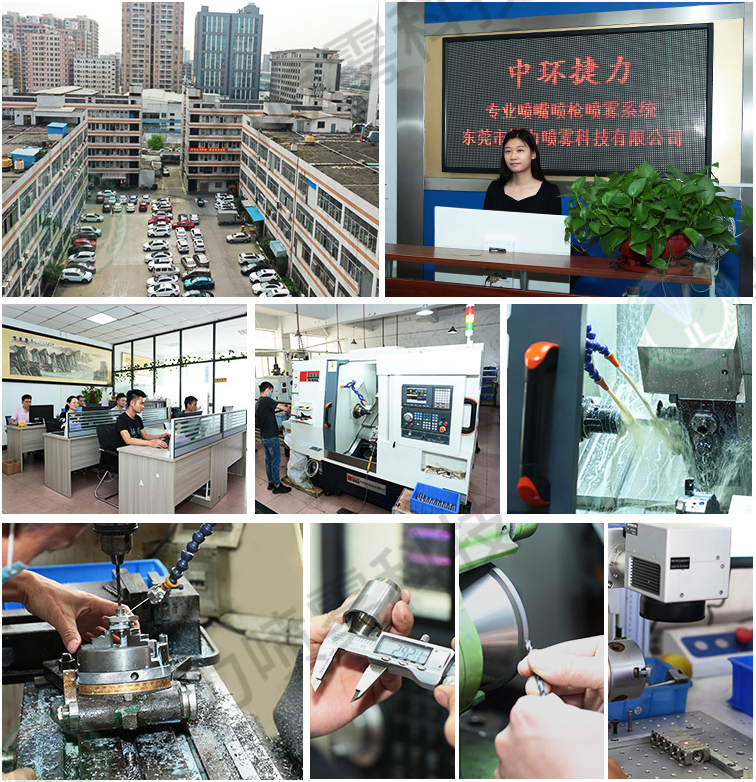
Jeltecn Factory
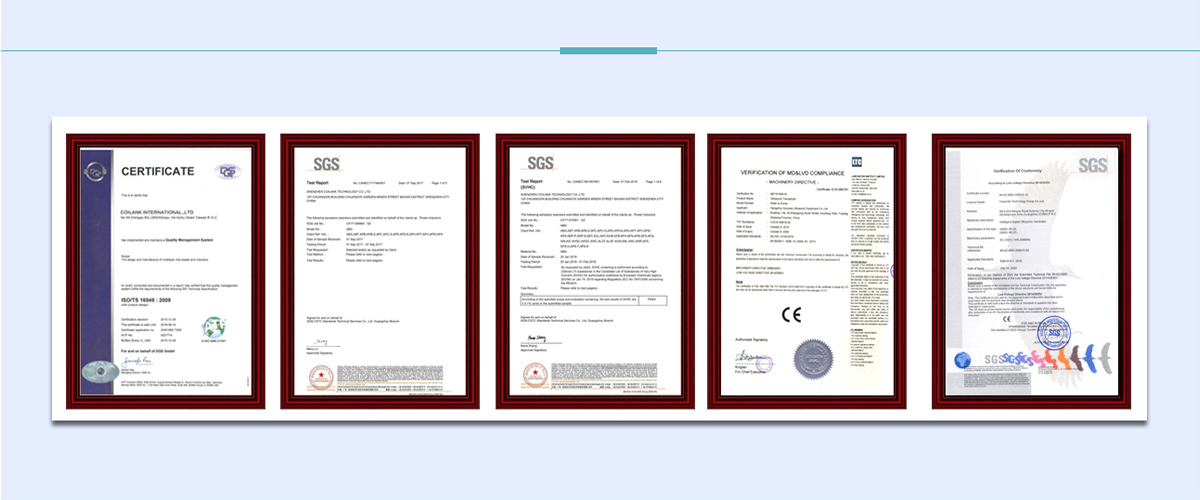
Certification
Cooperative Customers
Video
How to Select OD Oil Burner Nozzle
oil burner nozzle meters and atomizes fuel into a defined spray pattern, so viscosity, temperature, pressure and burner compatibility are critical. This page should be evaluated as an engineered component: final performance depends on the liquid, pressure at the nozzle, installed geometry and the selected configuration.
Technical selection criteria
- Process fluid: identify composition, temperature, specific gravity, viscosity, suspended solids and any corrosion or erosion risk.
- Required duty: state flow per nozzle, minimum and maximum inlet pressure, operating cycle and acceptable turndown.
- Spray result: define pattern, angle, coverage width or diameter, stand-off distance, droplet requirement and allowable overspray.
- Installation: confirm thread standard, connection size, orientation, header spacing, available clearance and access for inspection.
- Materials and maintenance: match body, insert, seals and accessories to the fluid and environment; include filtration and cleaning requirements.
Where this nozzle type fits
Typical evaluation areas include industrial burners and combustion equipment designed for the specified fuel and spray duty. When comparing oil burner nozzle with fuel oil atomizing nozzle, combustion spray nozzle, hollow cone burner nozzle, select the pattern and construction that solve the actual process duty. A wider angle does not automatically mean better atomization, and a higher pressure does not automatically deliver the best coverage.
Engineering limits and installation checks
Published flow and spray data are normally based on defined test liquids and conditions. Viscosity, specific gravity, pressure loss, solids, temperature, nozzle wear, pulsation and nearby airflow can change field performance. Confirm the installed pressure at the nozzle—not only pump discharge pressure—and verify overlap or target coverage before finalizing a production header.
Information to include with an RFQ
Provide liquid properties, target flow, pressure range, spray angle or coverage, distance to target, material, connection, quantity, duty cycle and installation drawings. Jeltecn can use these inputs to compare the requested configuration with related spray nozzle application guidance and the complete industrial spray nozzle range.
Frequently asked questions
What determines the flow of oil burner nozzle?
Flow depends primarily on the selected orifice and pressure differential, then must be corrected for liquid density, viscosity and the actual piping losses.
How should this nozzle be validated before production use?
Confirm the exact model and material, review the performance table, test coverage under representative conditions and document inspection or replacement criteria.
OD Oil Burner Nozzle: Engineering Decision Guide
An OD oil burner nozzle meters and atomizes fuel into a defined spray for a compatible burner system. Safe, efficient combustion depends on the complete burner setup, so nozzle selection must follow the burner or combustion engineer’s approved flow, pressure, spray angle and pattern requirements rather than visual similarity.
When this nozzle is the right fit
This product is a strong candidate when its spray mechanism matches the process objective and the site can maintain the required utilities, liquid quality, installation geometry and inspection routine. Use the following decision points to qualify the application before selecting a connection or ordering quantity.
| Decision variable | What to confirm |
|---|---|
| Fuel specification | Provide fuel type, viscosity at operating temperature, contamination risk and any approved preheating conditions. |
| Required firing input | Use the burner design and authorized operating data to determine nozzle flow; do not substitute nominal capacity without system review. |
| Spray angle and pattern | Match the combustion chamber, retention head and burner manufacturer’s requirements. |
| Pump pressure | Confirm stabilized pressure at the nozzle and understand how a pressure change affects delivered flow. |
| Filtration and cleanliness | Protect the small metering passages and prevent deposits that distort atomization. |
| Commissioning responsibility | Combustion settings, flame stability and emissions must be checked by qualified personnel using suitable instruments. |
How it compares with alternative spray technologies
Oil burner nozzles are engineered for fuel metering and combustion atomization; they are not interchangeable with general humidification or coating nozzles. A general-purpose atomizing nozzle may produce a fine spray but does not automatically meet burner flow, pattern, safety or compatibility requirements.
Common performance problems and diagnostic checks
| Observed problem | What to investigate first |
|---|---|
| Poor ignition or unstable flame | Stop and have the system checked for nozzle match, fuel condition, pressure, electrode setup, airflow and burner condition. |
| Soot or incomplete combustion | Investigate atomization, air-fuel balance, chamber condition, draft and nozzle contamination through qualified service. |
| Nozzle coking or blockage | Review fuel cleanliness, shutdown heat soak, filtration and maintenance interval. |
| Unexpected fuel rate | Verify pump pressure, nozzle identity, wear and the test method before changing components. |
Recommended validation before production release
Final validation belongs to the commissioned burner system. A qualified technician should verify leak-free installation, pump pressure, ignition, flame stability and combustion results against the equipment documentation and applicable site requirements. Jeltecn can support component selection from approved nozzle parameters but should not replace burner safety engineering.
Core-product RFQ checklist
Send the liquid name and concentration, temperature, viscosity, solids or water-quality information, target flow per nozzle, available pressure, air data where applicable, spray distance, coverage geometry, duty cycle, connection preference, material restrictions, installation drawing and photos of the spray zone. State the process result you need and the failure mode you want to avoid. Jeltecn can then review the application and identify points requiring test confirmation.
Related technical routes: Industrial solutions · Contact Jeltecn · all spray nozzle products · request an engineering quotation.
Oil Burner Nozzle Technical Resources
Use these engineering guides to compare operating conditions, selection inputs and maintenance requirements: