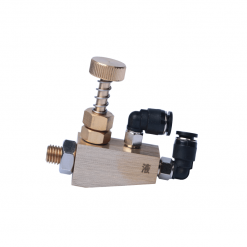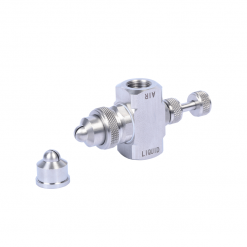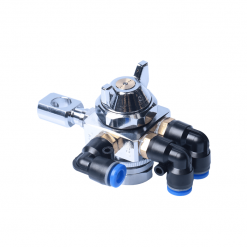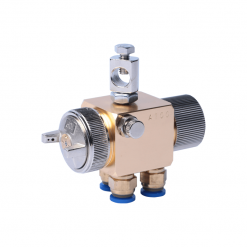
Siphon Air Atomizing Oil Nozzle: Feed and Selection
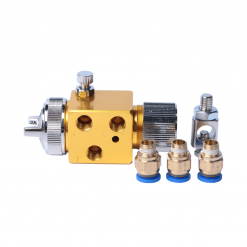
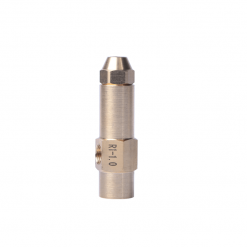
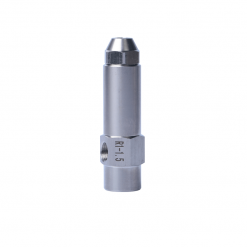
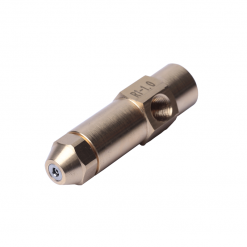
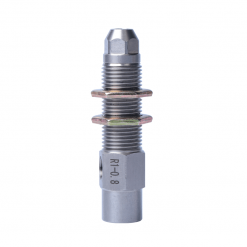
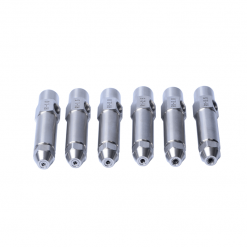
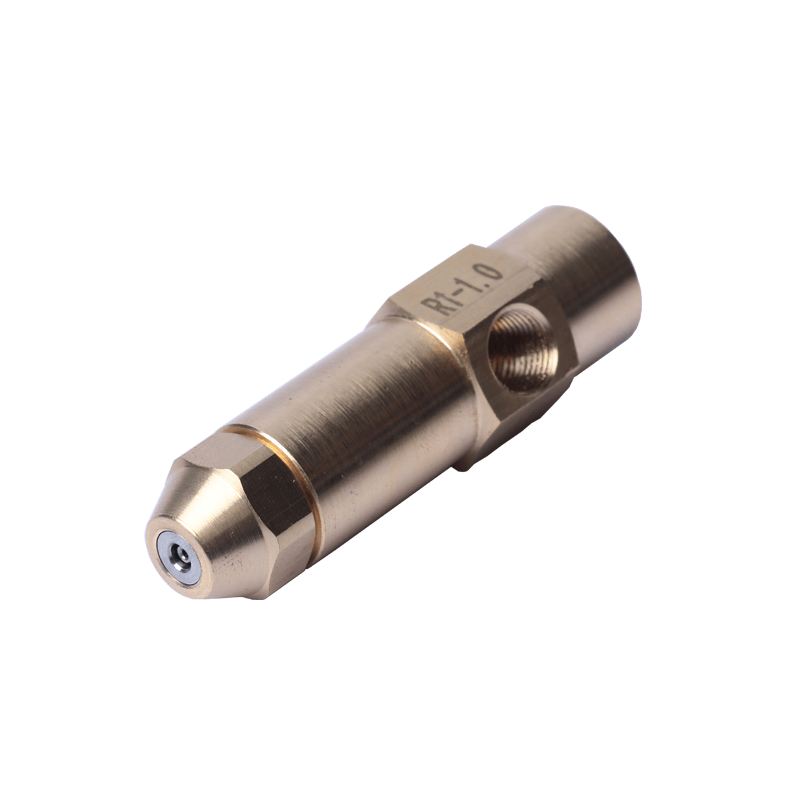
The Siphon Air Atomizing Oil Nozzles is an air atomizing nozzle that can spray a better atomization effect under low-pressure conditions. It is widely used in diesel oil, heavy oil, waste residue oil, animal and vegetable oil, alcohol-based fuel burner systems, as well as in the atomization of kerosene and engine oil. The outer roar diameter is 3.5MM, the inner roar is 2.3MM, and the spray distance is 1-2 meters.
Siphon Air Atomizing Oil Nozzles mainly rely on the air compressor to provide compressed air and use compressed air to atomize the liquid. The application of the dual-fluid nozzle in the siphon field is also very extensive; the existing dual-fluid siphon fuel nozzle has certain drawbacks in use.
There are deficiencies in high-temperature resistance and easy damage. Because the fuel nozzle will generate a certain impact force during injection, it will cause damage to the gas outlet and the liquid outlet, which will have a certain impact in actual use. For this reason, we propose Dual fluid siphon high-temperature fuel nozzles.
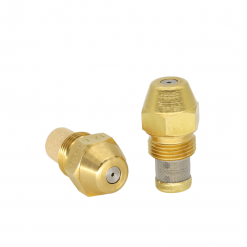
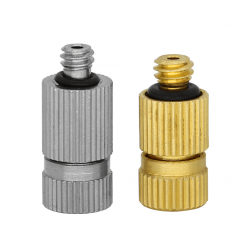
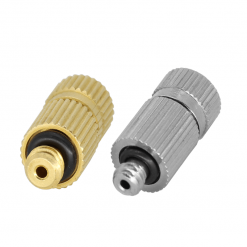
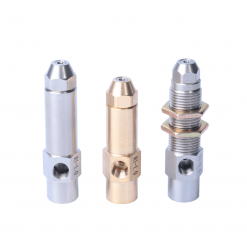
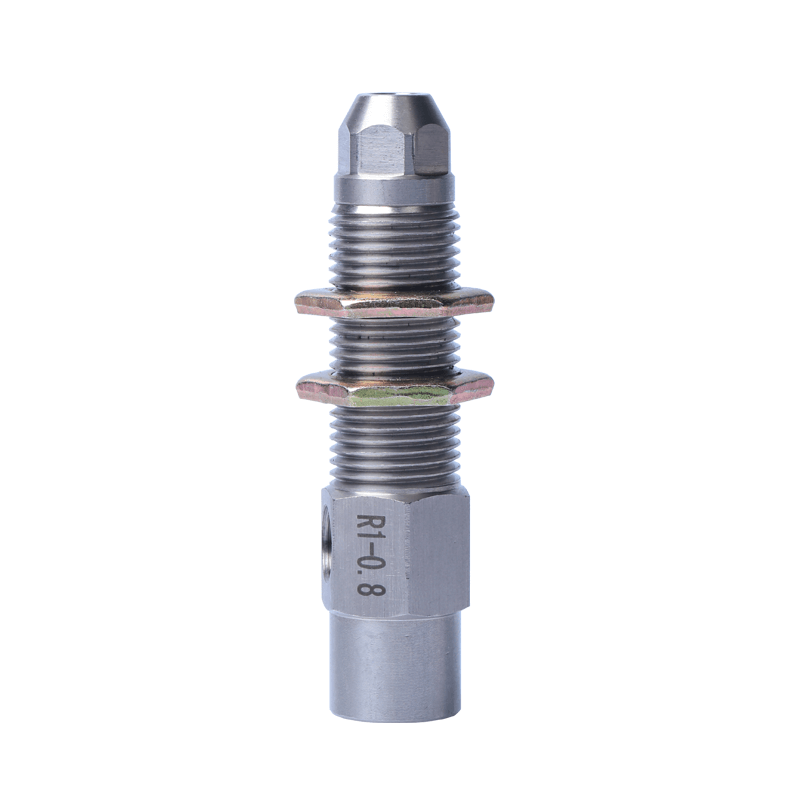
Siphon Air Atomizing Oil Nozzles include siphon type and pressure type. The spray shapes include fan, cone, and ring. There are 1/4 and 1/2 nozzle interfaces. The flow range is very wide, between 0.5-320 liters/hour. . There is a flow adjustment device at the tail of the two-fluid siphon atomizing nozzle, which can adjust the flow within an appropriate range. The materials of the nozzle are stainless steel, brass, and plastic, which are suitable for various industries.
The special internal structure of the Siphon Air Atomizing Oil Nozzle can make the liquid and gas evenly mixed to produce fine droplet size spray or coarse droplet spray, usually by increasing or decreasing the gas pressure to get finer (about 30 microns) droplets mist particles, resulting in higher gas flow rates and flow rate ratios. Each spray cooling device is composed of an air cap and a liquid cap. It can provide two spray patterns of fan and circle and has a wide flow range. The inlet joint of the two-fluid siphon atomizing nozzle body has a variety of sizes, suitable for most Several commonly used pipes, the above two-fluid siphon atomizing nozzle parts can be interchanged, which provides flexibility for achieving different spray performance, and is mostly used for wool spray humidification, abrasive lubrication, spray injection, and air disinfection.
Advantages
- Professional industry spray nozzle with over 15 years of experience.
- Complete QC system and strong after-sales concept.
- 3 R&D Engineers with over 10 years of experience.
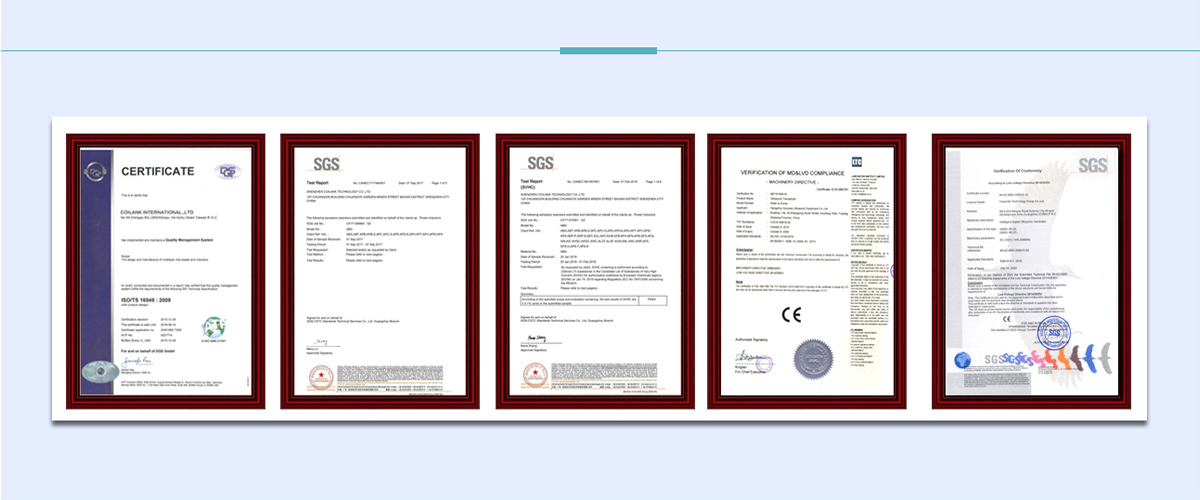
- ISO9001:2015/SGS/CE certification.
- Third-party audit.
- Fast delivery.
- Accept OEM/ODM
Specs
| Brand | Jeltecn |
| Nozzle Type | Atomization |
| Thread Size | 1/8” 1/4” |
| Spray Angle | 15°-90° |
| Spray Pattern | Atomization |
| Thread Type | Male, BSPT |
| Drop Size | 30μm |
| Water Pressure | 1-3bar |
| Capacity(L/H) | 1.5L-21L |
| Material | Stainless Steel/Brass |
| Packaging | Carton |
| Certificates | ISO9001/SGS/CE |
| Payment Terms | T/T, Western Union, Paypal |
Application
■ Industrial industries: papermaking, electronics, food, and pharmaceutical industries, spray humidification, spraying, cooling, spraying and lubrication applications,
■ Food industry: spray coating of egg yolk, oil, honey, etc.
■ Other industries: air disinfection and sterilization; fruit and vegetable preservation; greenhouse cultivation and temperature adjustment, etc.
Performance Date


Image



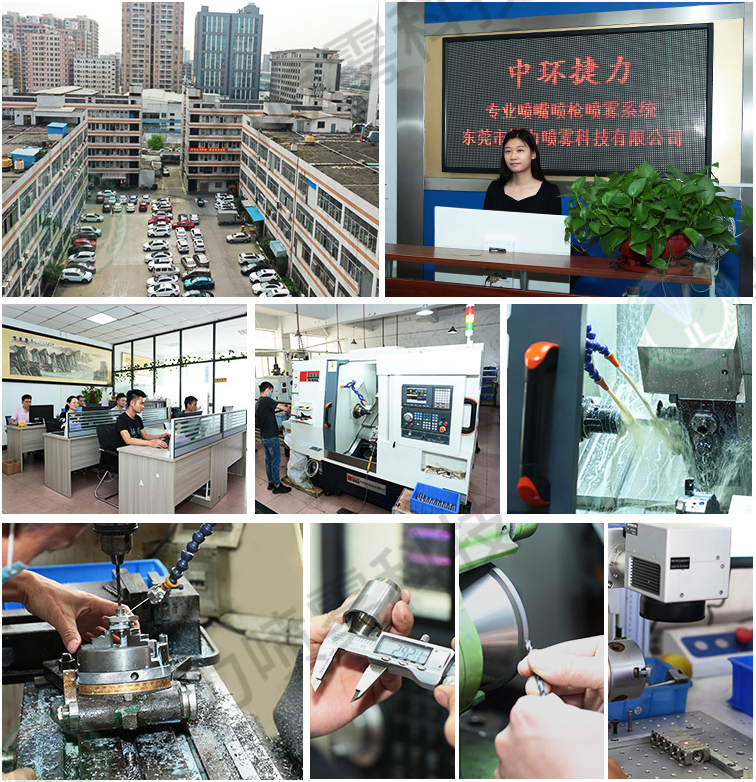
Jeltecn Factory
Certification
Cooperative Customers
Video
How to Select Siphon Air Atomizing Oil Nozzle
siphon air atomizing oil nozzle uses compressed air to draw and atomize liquid from a low-pressure supply, making feed height and viscosity important selection inputs. This page should be evaluated as an engineered component: final performance depends on the liquid, pressure at the nozzle, installed geometry and the selected configuration.
Technical selection criteria
- Process fluid: identify composition, temperature, specific gravity, viscosity, suspended solids and any corrosion or erosion risk.
- Required duty: state flow per nozzle, minimum and maximum inlet pressure, operating cycle and acceptable turndown.
- Spray result: define pattern, angle, coverage width or diameter, stand-off distance, droplet requirement and allowable overspray.
- Installation: confirm thread standard, connection size, orientation, header spacing, available clearance and access for inspection.
- Materials and maintenance: match body, insert, seals and accessories to the fluid and environment; include filtration and cleaning requirements.
Where this nozzle type fits
Typical evaluation areas include oil spraying, lubrication, coating and controlled fuel or process-liquid atomization. When comparing siphon air atomizing oil nozzle with siphon feed nozzle, two-fluid oil nozzle, pneumatic oil atomizer, select the pattern and construction that solve the actual process duty. A wider angle does not automatically mean better atomization, and a higher pressure does not automatically deliver the best coverage.
Engineering limits and installation checks
Published flow and spray data are normally based on defined test liquids and conditions. Viscosity, specific gravity, pressure loss, solids, temperature, nozzle wear, pulsation and nearby airflow can change field performance. Confirm the installed pressure at the nozzle—not only pump discharge pressure—and verify overlap or target coverage before finalizing a production header.
For general definitions of full-cone, flat-spray, hollow-cone, fine-spray and air-atomizing patterns, see the Spraying Systems spray-pattern reference.
Information to include with an RFQ
Provide liquid properties, target flow, pressure range, spray angle or coverage, distance to target, material, connection, quantity, duty cycle and installation drawings. Jeltecn can use these inputs to compare the requested configuration with related spray nozzle application guidance and the complete industrial spray nozzle range.
Frequently asked questions
What determines the flow of siphon air atomizing oil nozzle?
Flow depends primarily on the selected orifice and pressure differential, then must be corrected for liquid density, viscosity and the actual piping losses.
How should this nozzle be validated before production use?
Confirm the exact model and material, review the performance table, test coverage under representative conditions and document inspection or replacement criteria.