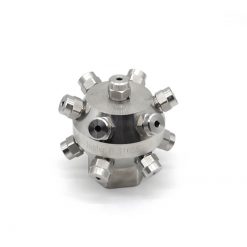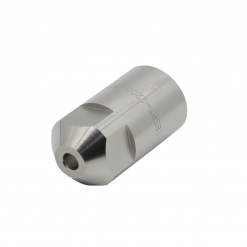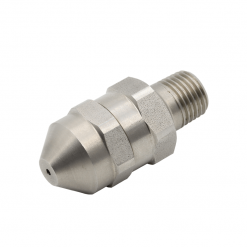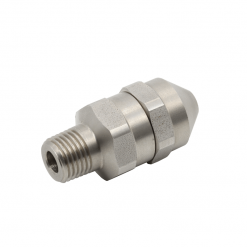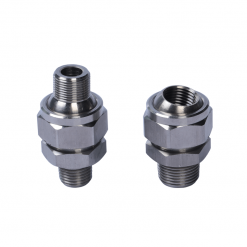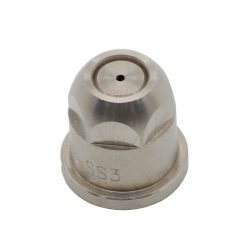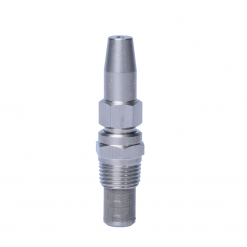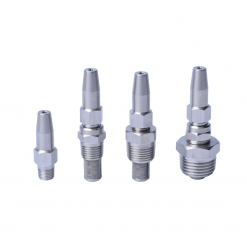

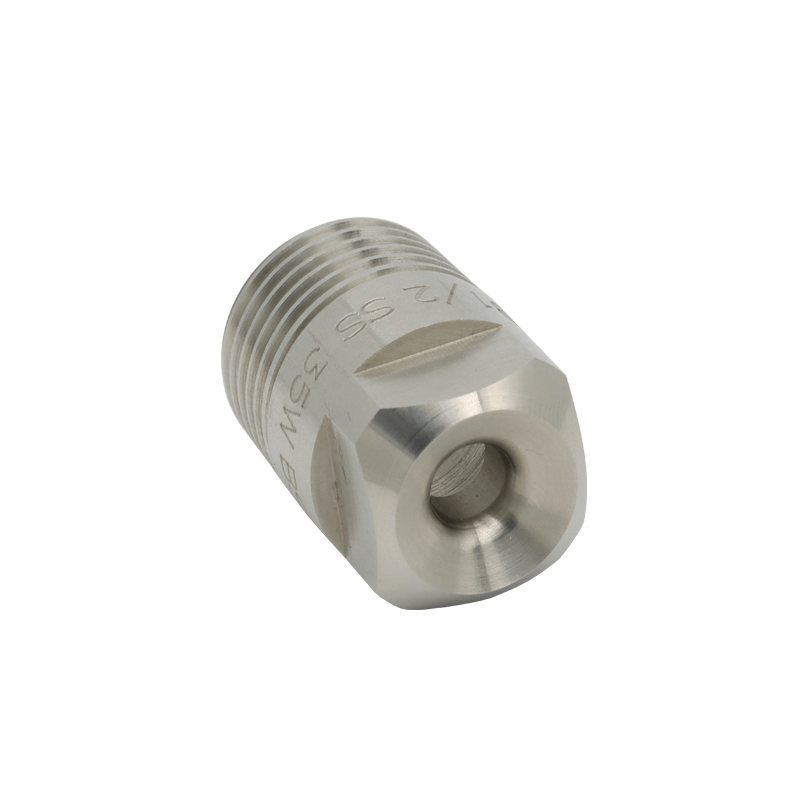


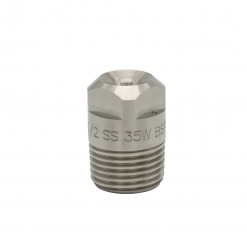
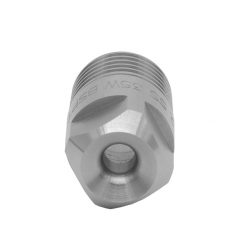
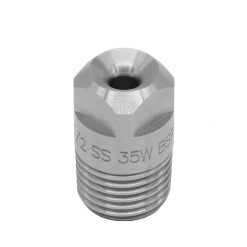
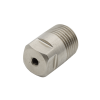
square full cone nozzle creates a filled rectangular spray footprint for processes that are better served by square-pattern coverage than by overlapping round cones. The wide-angle configuration is intended for broad area distribution where installation height is limited.
Square Full Cone Nozzle for Wide-Area Distribution
Square-pattern full-cone spraying can simplify grid coverage in quenching, cooling, washing and chemical distribution. Pattern shape is produced by the internal flow geometry and is sensitive to pressure, liquid properties, orientation and target distance. Adjacent patterns should be aligned and tested to avoid dry zones or excessive overlap.
Typical Applications
- Cooling and quenching of parts, billets and processed materials
- Washing and rinsing over rectangular tanks, screens or conveyors
- Chemical distribution in scrubbers and process vessels
- Foam control and broad-area wetting
- Fire protection or suppression equipment subject to system engineering requirements
Key Selection Criteria
Correct nozzle selection depends on the complete operating envelope, not flow rate alone. Confirm the required coverage, droplet or atomization target, liquid properties, available pressure, duty cycle, installation space and allowable maintenance interval before specifying a model.
| Selection factor | Engineering question |
|---|---|
| Coverage footprint | Define rectangular dimensions and acceptable edge variation at the target plane. |
| Spray angle and distance | Check that a wide cone fits the available height without wall impingement. |
| Flow distribution | Set the required application density and total liquid budget. |
| Nozzle orientation | Maintain square-pattern alignment during installation and service. |
| Pressure range | Confirm distribution remains acceptable at minimum and maximum conditions. |
| Material selection | Evaluate corrosion, temperature, wear and mechanical environment. |
Performance and System Integration
For a nozzle grid, map the square footprints at the actual elevation and allow for pattern transition between adjacent spray points. Header pressure should be balanced so each nozzle operates within the intended range. In vessels, consider airflow, gas velocity and wall proximity; these can distort the spray before it reaches the target.
Final square full cone nozzle performance should be verified under actual process conditions. Pump pulsation, pressure loss through filters and valves, fluid temperature, viscosity, suspended solids, nozzle spacing and target distance can all change the delivered pattern. For multi-nozzle headers, balance branch losses and provide pressure measurement near the spray points.
For general definitions of full-cone, flat-spray, hollow-cone, fine-spray and air-atomizing patterns relevant to selecting a square full cone nozzle, see the Spraying Systems spray-pattern reference.
Materials, Filtration and Maintenance
Internal deposits or wear can change both flow and the square distribution. Provide removable strainers or upstream filtration, flushing access and enough clearance to remove the nozzle. During inspections, check pattern orientation as well as flow because a rotated nozzle can create coverage gaps.
- Use filtration matched to the smallest internal passage and the contamination load.
- Inspect pattern quality, flow consistency, seals and connections on a documented schedule.
- Clean with a compatible non-damaging method; avoid tools that can enlarge the orifice.
- Replace worn components when flow, coverage or shutoff performance moves outside the process tolerance.
Information to Include with Your RFQ
For an application-specific recommendation, provide the liquid name and concentration, temperature, viscosity, target flow per nozzle, available liquid and air pressure where applicable, spray distance, required coverage, duty cycle, connection preference, material restrictions and site environment. Photos or a simple installation drawing help our engineers evaluate mounting and access.
Frequently Asked Questions
Why use a square pattern instead of a round full cone?
A square footprint can tile rectangular target areas efficiently and reduce uneven overlap. The best choice depends on the process geometry, spacing and required distribution uniformity.
Does a wider angle always improve coverage?
No. A wider angle increases footprint at a given distance but can reduce impact and increase interference with walls or adjacent sprays. Select angle and distance together.
Can Jeltecn help validate the selection?
Yes. Jeltecn can review your operating data, installation constraints and spray objective before quotation. Sample or application testing may be recommended when liquid properties or coverage requirements are critical.
Request an Engineering Recommendation
Send your process data to Jeltecn for a practical square full cone nozzle recommendation. We will help compare configuration, material, connection and operating requirements for your application.
Contact Jeltecn for a quotation or explore our industrial spray nozzle range, applications and industry solutions.