Industrial Spray Nozzle Types and Products
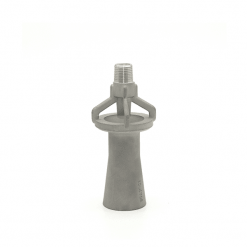
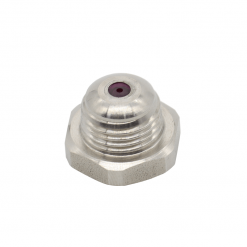
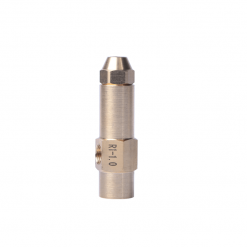
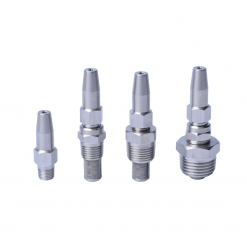
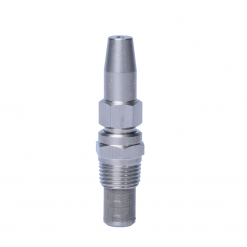
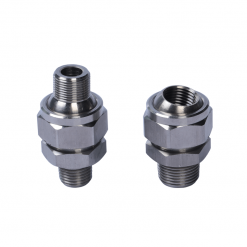
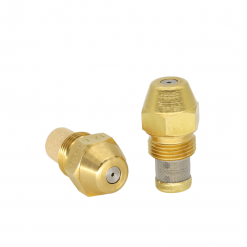
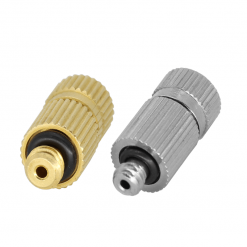
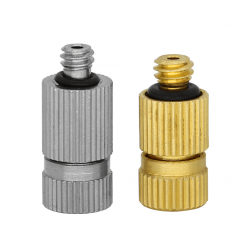
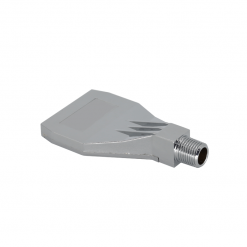
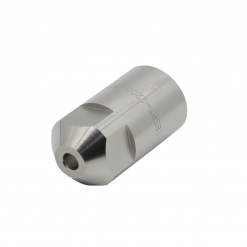
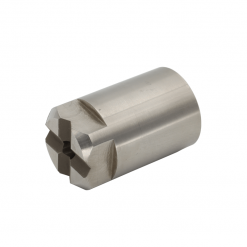
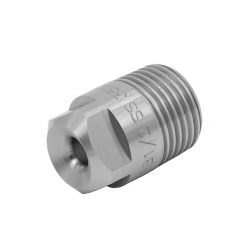
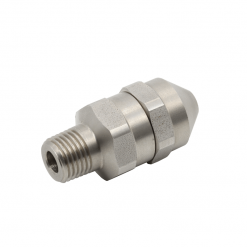
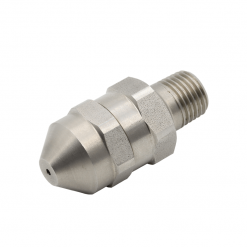
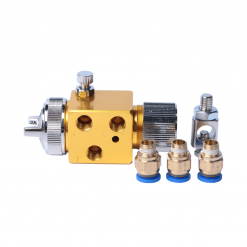
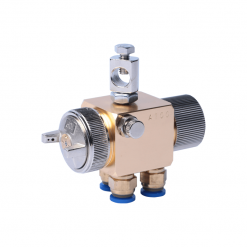
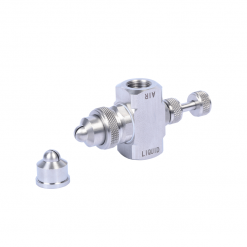
Jeltecn supplies standard and application-specific industrial spray nozzles for atomizing, cleaning, cooling, humidification, dust control, gas treatment and tank processes. Compare the nozzle families below, then share your fluid, flow, pressure, spray pattern, material and connection requirements for selection support. Industrial spray nozzle types should be compared at the actual operating pressure because flow, spray angle and droplet behavior change with conditions.
Selection guide
Compare industrial spray nozzle types by process requirement
A nozzle family is a starting point, not a complete specification. The selection must connect the required flow, differential pressure, spray pattern, droplet behavior, coverage distance, liquid properties, material and maintenance conditions.
| Nozzle family |
Useful starting condition |
Verify before ordering |
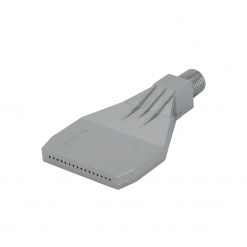
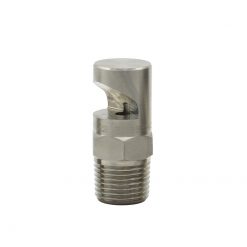
| Flat fan |
Cleaning, coating, cooling or header coverage across a line |
Impact, overlap, spacing and actual coverage at the installed distance |
| Full cone |
Filled circular coverage for washing, cooling or dust control |
Distribution, free passage, droplet range and target area |
| Hollow cone |
Annular coverage where finer atomization or gas-liquid contact is useful |
Droplet behavior, drift, plugging risk and gas-flow interaction |
| Air atomizing |
Fine atomization for coating, humidification or gas conditioning |
Atomizing-gas supply, liquid feed, viscosity and control method |
| Solid stream |
Concentrated impact for targeted cleaning, trimming or descaling |
Alignment, stand-off distance, safety and target resistance |
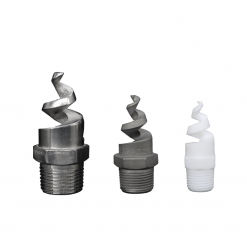
| Spiral |
Wide-angle coverage where an open-passage design may be useful |
Distribution, droplet range, installation envelope and process fit |
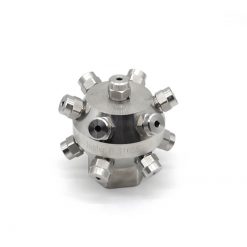
| Tank cleaning |
Stationary or rotating coverage inside tanks and vessels |
Vessel geometry, cleaning target, cycle time, return path and access |
Information required for selection
- Application and required outcome
- Fluid, specific gravity, viscosity, solids and temperature
- Required flow and normal/minimum/maximum pressure
- Spray distance, target dimensions, nozzle spacing and orientation
- Connection, material, cleaning method and operating environment
In-Depth Selection Guides by Nozzle Family
Go beyond the family comparison above and read the full engineering guide for each core nozzle family, including mechanism, specifications, applications and RFQ checklist:
Selection boundary: Catalog values are reference data under stated test conditions. Final performance depends on the complete fluid system, installation geometry and operating envelope.
How to Narrow Industrial Spray Nozzle Types
Start with the result the spray must achieve: clean a surface, cool a product, distribute liquid, control dust, humidify air or contact a gas stream. Then convert that duty into measurable inputs, including liquid properties, required flow, available pressure, target dimensions, spray distance, temperature, connection and material compatibility. Compare industrial spray nozzle types at the actual operating point because a catalogue pattern is only a reference condition.
Before ordering, confirm how several nozzles will overlap, whether the free passage suits suspended solids, how strainers and access will support maintenance, and which test data or drawings are required. For process-specific constraints, use the spray nozzle application guides; for sector context, review spray nozzles by industry. Send the operating data when the selection requires an engineering review.